


Newsletters | Request Trial | Log in | Advertise | Digital Issue   |   Search
  • Upstream
  • Midstream & Downstream
  • Gas & LNG
  • Trading & Markets
  • Corporate & Finance
  • Geopolitics
  • Podcasts
Search
Related Articles
Outlook 2026: Angola’s upstream transformation and the role of independents
The country is focused on boosting output and offers a winning combination of stability, a reforming government, an established industry and vast untapped reserves
OPEC’s discipline sets tone for 2026
OPEC+ remains on track as output falls, with only Gabon failing to hit its output targets in December, although Kazakhstan’s compliance was involuntary
OPEC presses pause
The group’s oil production declined in November, our latest analysis finds, amid divided sentiment over market balances and geopolitical jitters
Letter from London: Oil’s golden triangle
The interplay between OPEC+, China and the US will define oil markets throughout 2026
OPEC+ nears output targets amid unsolved riddles
OPEC+ has proven to be astute at bringing back oil production, but mysteries around Chinese buying, missing barrels and oil-on-water have left the group in wait-and-see mode
OPEC+ exposes its producers’ limits
Saudi Arabia, the UAE and Iraq appear to be only members able to increase output as Russia approaches close to maximum capacity
Letter from Vienna: OPEC at 65
Following its founding in September 1960, OPEC has become a key player in the global energy sector and a vital source of market stability
OPEC’s realignment
The group is cleansing itself of non-compliers and resetting expectations as it unwinds quicker than expected in a bid to go beyond production quotas
OPEC+ off-target in July
The producers’ group missed its output increase target for the month and may soon face a critical test of its strategy
The great OPEC+ reset
The quick, unified and decisive strategy to return all the barrels from the hefty tranche of cuts from the eight producers involved in voluntary curbs signals a shift and sets the tone for the path ahead
Angola Opec Equatorial Guinea
Ian Lewis
30 January 2017
Follow @PetroleumEcon
Forward article link
Share PDF with colleagues

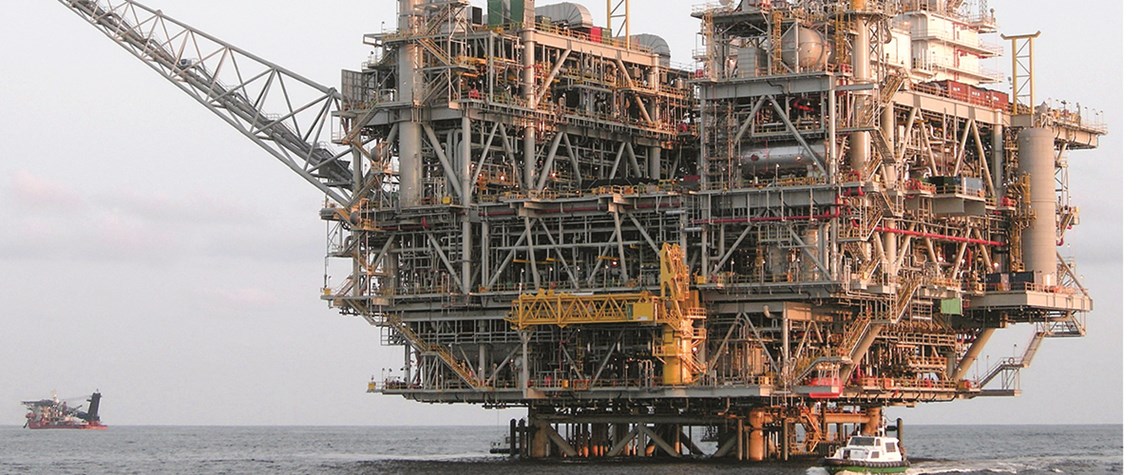
Capacity up, supply down in Angola

Angola says it has already begun to reduce supply but how and where is unclear

Angola committed to lopping 80,000 barrels a day off its output of 1.75m b/d and already seems to have made the cut. State oil company Sonangol said in early January it had removed 78,000 b/d of supply-although it's not yet clear where or how. The supermajors are well represented in Angola and, of course, were not signatories to any supply deal (though they'd all like a higher oil price). BP produces about 310,000 b/d in Angola; Total just under 290,000 b/d; and Eni about 135,000 b/d. And Angola has had a pretty successful downturn, at least in supply terms. Eni brought output of its West Hub deep-water project to 100,000 b/d, when production started from the Mpungi field in early 2016. The

Also in this section
Explainer: Iran’s indispensable energy role
16 January 2026
The country’s global energy importance and domestic political fate are interlocked, highlighting its outsized oil and gas powers, and the heightened fallout risk
Oil’s tanker transformation
16 January 2026
The global maritime oil transport sector enters 2026 facing a rare convergence of crude oversupply, record newbuild deliveries and the potential easing of several geopolitical disruptions that have shaped trade flows since 2022
Letter from the US: The curse of strong energy exports
Opinion
15 January 2026
Rebuilding industry, energy dominance and lower energy costs are key goals that remain at odds in 2026
Venezuela mismanaged its oil, and US shale benefitted
14 January 2026
Chavez’s socialist reforms boosted state control but pushed knowledge and capital out of the sector, opening the way for the US shale revolution

Share PDF with colleagues

COPYRIGHT NOTICE: PDF sharing is permitted internally for Petroleum Economist Gold Members only. Usage of this PDF is restricted by <%= If(IsLoggedIn, User.CompanyName, "")%>’s agreement with Petroleum Economist – exceeding the terms of your licence by forwarding outside of the company or placing on any external network is considered a breach of copyright. Such instances are punishable by fines of up to US$1,500 per infringement
Send

Forward article Link

Send
Sign Up For Our Newsletter
Project Data
Maps
Podcasts
Social Links
Featured Video
Home
  • About us
  • Subscribe
  • Reaching your audience
  • PE Store
  • Terms and conditions
  • Contact us
  • Privacy statement
  • Cookies
  • Sitemap
All material subject to strictly enforced copyright laws © 2025 The Petroleum Economist Ltd
Cookie Settings
;

Search
