


Malaysia committed, Brunei could waver
Both have pledged to the cuts, but falling public service subsidies could make Brunei jump ship
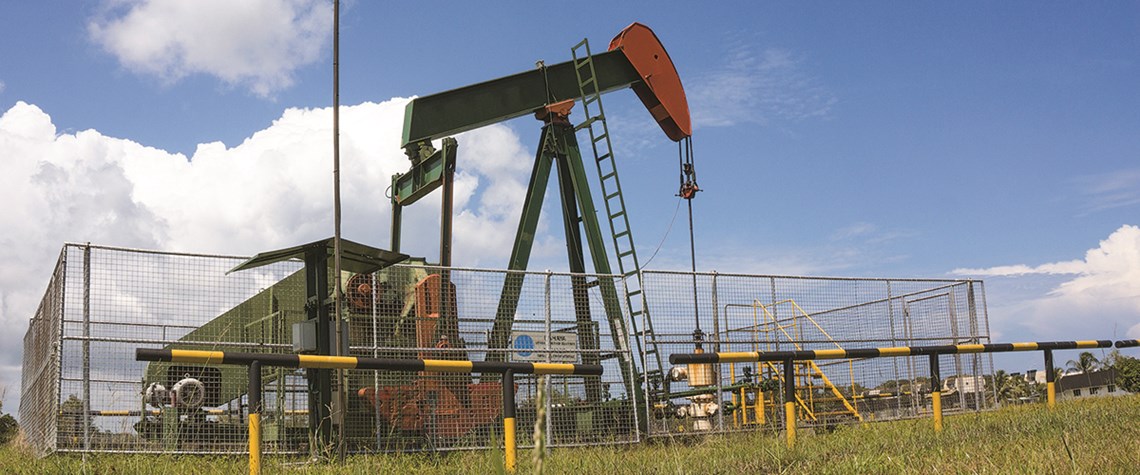
Non-Opec members Malaysia and Brunei appear to be sticking to commitments made to reduce production from 1 January. But if no appreciable gains are made in crude prices in the next six months, expect at least one of them to start wavering. In Brunei, the Energy and Industry Department at the Prime Minister's Office confirmed that it has voluntarily adjusted crude oil production from 1 January 2017 for an initial six months. No information was provided on the volume but it is expected to be around 4,000 barrels a day, compared with production of 200,000 b/d last year. Brunei's problem is that oil exports are one of the country's sole sources of revenue and subsidise a host of domestic needs i

Also in this section
9 April 2026
The April 2026 issue of Petroleum Economist is out now!
9 April 2026
Offshore operators are working through an FID backlog as the rig market consolidates, helped by improving project economics and a renewed security drive
2 April 2026
Alongside a rapid continued build-out of renewables, China’s latest five-year plan stresses the value of domestic hydrocarbon production for energy security and calls for increased Russian gas imports
2 April 2026
The government is taking important steps to revive domestic production, lift investment and benefit from the geopolitical crisis even if more needs to be done in the longer term


