


To deal or not to do deal
Russia and Saudi Arabia blame each for the initial Opec+ breakdown. Will necessity trump naked ill-will this week?
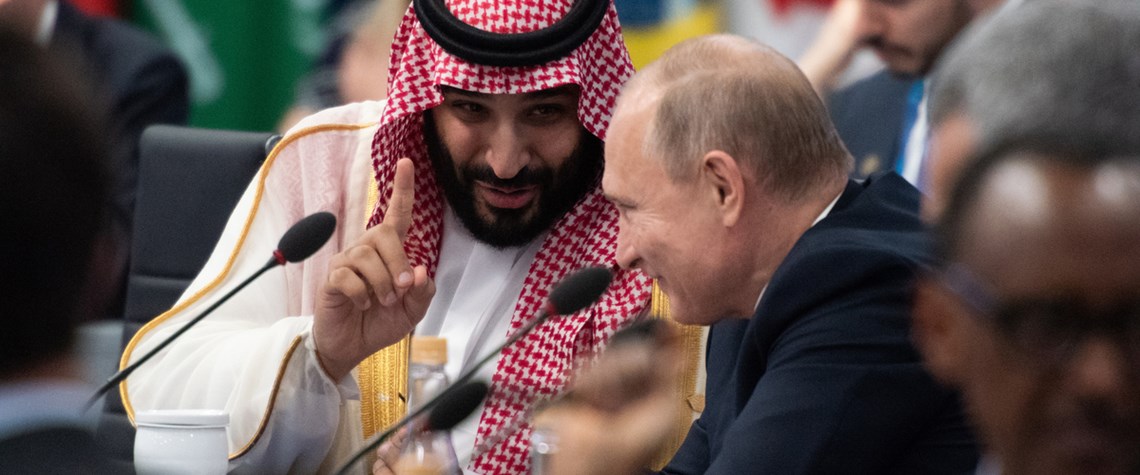
It is fair to say that Russia and Saudi Arabia were hardly giving off unambiguous signals of a desire to kiss and make up over the weekend. The market must now decide whether the need for a supply-side response to unprecedented short-term demand destruction trumps the finger-pointing. Moscow will take part in a meeting with its Opec+ partners via video conference on Thursday, the Kremlin has confirmed. Last Friday, Russian president Vladimir Putin pinned the blame for the oil price collapse squarely on Saudi Arabia. It was the kingdom, not Russia, that had withdrawn from the Opec+ deal on supply quotas in early March, according to Putin’s narrative. A larger, 15mn bl/d reduction might

Also in this section
24 March 2026
It is an unusual story of out with the new and in with the old, as America First Refining shows the US going back to trusted energy security developments
23 March 2026
A complex and sometimes contradictory web of factors that include unpredictable oil prices, the globalisation of LNG markets, the expansion of Middle Eastern sovereign capital and the growth of datacentre demand will shape the energy landscape beyond 2026
23 March 2026
The Strait of Hormuz crisis highlights how key waterways can become global chokepoints
20 March 2026
Attacks on key oil and LNG assets across the Gulf mean a prolonged supply disruption, with damage to Qatar’s export capacity undermining confidence in the global gas system


