


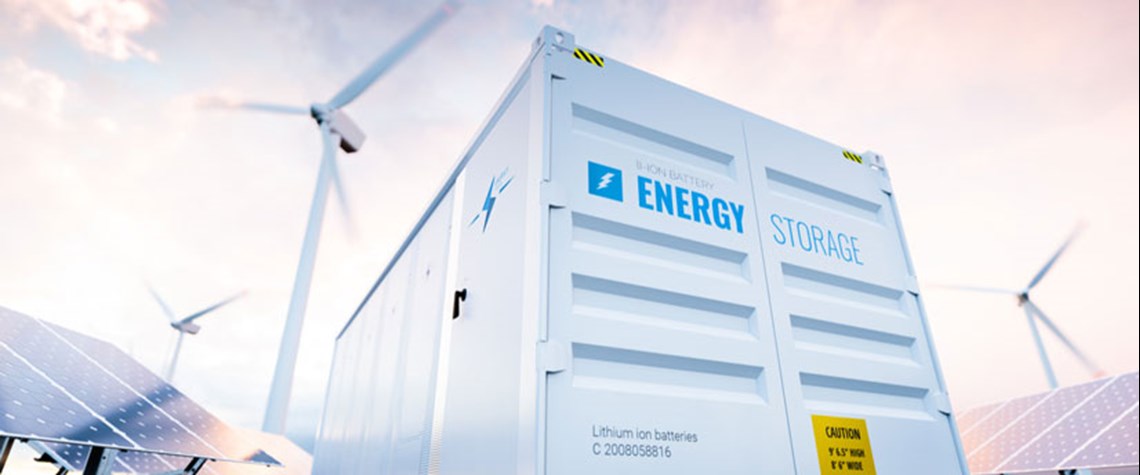
In the post feed-in tariff world, more risk is being pushed to the investor side
European power trading innovation: The rise of PPAs
The end of guaranteed prices for renewables generation is sparking a revolution in risk management
A power-purchase agreement (PPA) sounds inherently very simple. One party agrees to sell power in certain volumes over a certain period for a certain price, the other to buy. But a renewable power asset is decidedly less simple, not producing a predictable volume of energy. Nor is the future price of electricity certain, or even observable beyond the liquid traded market. With PPAs the preferred method of underpinning the investment case in renewables assets, it is not surprising, Michael Waldner, CEO of software firm Pexapark tells Petroleum Economist, that understanding their price risk has become so important. Pexapark CEO Michael Wald

Also in this section
29 April 2026
The UAE’s exit from the alliance marks a decisive step towards a world in which oil markets are shaped less by collective management and more by national strategy
29 April 2026
Trafigura’s $1b prepayment agreement confirms African resource holders’ renewed interest in oil-backed financing deals as they look to capitalise on high oil prices
29 April 2026
The UAE’s departure from the oil producers’ group was a surprise to many, but the move can be traced back to a single point five years ago
28 April 2026
Oil traders warning of $200/bl oil are wrong, and the market should be wary of proclamations that the impact of the oil shortage has only begun to be felt and a that a ‘harsh adjustment’ is coming—even for industrialised nations


