


Newsletters | Request Trial | Log in | Advertise | Digital Issue   |   Search
  • Upstream
  • Midstream & Downstream
  • Gas & LNG
  • Trading & Markets
  • Corporate & Finance
  • Geopolitics
  • Podcasts
Search
Related Articles
Explainer: Fujairah on high alert
With the Strait of Hormuz effectively closed following US-Israel strikes and Iran’s retaliatory escalation, Fujairah has become the region’s critical pressure release valve—and is now under serious threat
OPEC+’s cohesive restraint
The alliance is keeping output on track and the market in balance amid geopolitical tensions and a fragile supply-demand ledger
Outlook 2026: From wells to wafers – How MENA is powering the new energy–data nexus
Leading economies in the region are using oil and gas revenues to fund mineral strategies and power hyperscale computing
OPEC’s discipline sets tone for 2026
OPEC+ remains on track as output falls, with only Gabon failing to hit its output targets in December, although Kazakhstan’s compliance was involuntary
OPEC presses pause
The group’s oil production declined in November, our latest analysis finds, amid divided sentiment over market balances and geopolitical jitters
Letter from London: Oil’s golden triangle
The interplay between OPEC+, China and the US will define oil markets throughout 2026
Letter from Abu Dhabi: ADNOC’s evolution putting it atop the energy chain
Once a national oil champion, the company is now so much more
XRG breaks the mould of Gulf NOCs
In the year since its formation, ADNOC’s energy investment company has made ambitious forays into M&A. With new leadership appointees from Wall Street’s elite, the scale of that ambition is set to ramp up
OPEC+ nears output targets amid unsolved riddles
OPEC+ has proven to be astute at bringing back oil production, but mysteries around Chinese buying, missing barrels and oil-on-water have left the group in wait-and-see mode
Accelerating MENA’s gas transformation
Gas has become a pillar of MENA economies and a catalyst for development strategies, fostering cooperation and creating new paths for economic diversification. Continued progress will require substantial investment and adapted regulations
Opinion
UAE Opec
Robin M Mills
Dubai
30 March 2021
Follow @PetroleumEcon
Forward article link
Share PDF with colleagues

Letter from the Middle East: UAE unveils Murban benchmark

Pivot towards Asia paves the way for a new crude futures contract, offering an attractive alternative to long-established grades

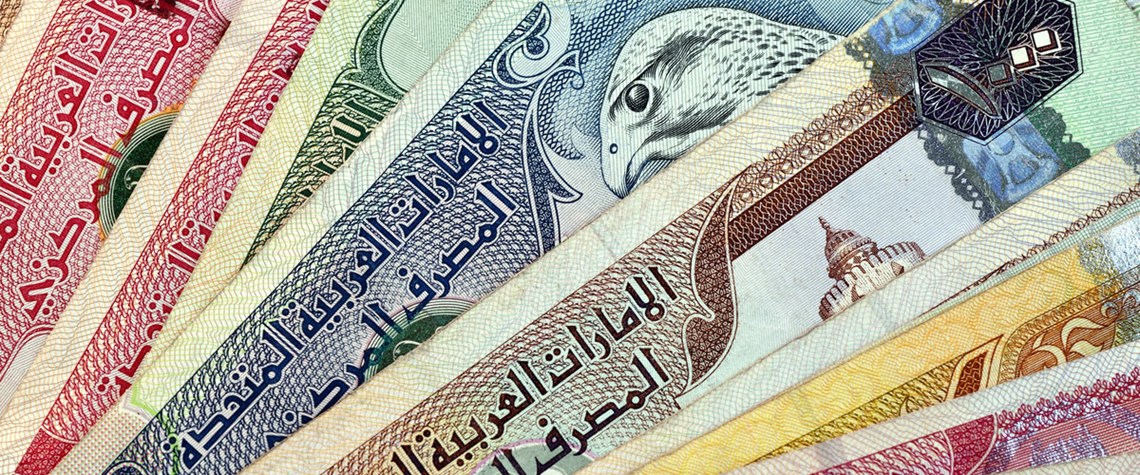
The shifting tectonic plates of Mid-East Gulf oil do not move quickly, but the landscape changes when they do. And for some time, it has been inevitable that the transforming world market would have an impact on the core of the Gulf’s petroleum business—how its oil is priced and sold. The launch of Abu Dhabi’s Murban futures on 29 March could become such a change. Exchange Ice is partnering with Abu Dhabi NOC Adnoc and heavyweights of the global petroleum industry such as Shell, trader Vitol and Chinese state-owned Petrochina, to launch Ice Futures Abu Dhabi (Ifad), offering futures in Murban—Abu Dhabi’s flagship export grade, a light, sweetish crude (40.5 API and 0.79pc sulphur). Three key

Also in this section
Trump’s gasoline price pledge paradox
4 March 2026
The US president has repeatedly promised to lower gasoline prices, but this ambition conflicts with his parallel aim to increase drilling and could be upended by his war against Iran
Explainer: Fujairah on high alert
4 March 2026
With the Strait of Hormuz effectively closed following US-Israel strikes and Iran’s retaliatory escalation, Fujairah has become the region’s critical pressure release valve—and is now under serious threat
Middle East oil vulnerabilities have been exposed
3 March 2026
The killing of Iran’s Supreme Leader Ayatollah Khamenei in US–Israeli strikes marks the most serious escalation in the region in decades and a bigger potential threat to the oil market than the start of the Russia-Ukraine crisis
How Hormuz chokehold threatens LNG buyers
2 March 2026
A potential blockade of the Strait of Hormuz following the escalating US-Iran conflict risks disrupting Qatari LNG exports that underpin global gas markets, exposing Asia and other markets to sharp price spikes, cargo shortages and renewed reliance on dirtier fuels

Share PDF with colleagues

COPYRIGHT NOTICE: PDF sharing is permitted internally for Petroleum Economist Gold Members only. Usage of this PDF is restricted by <%= If(IsLoggedIn, User.CompanyName, "")%>’s agreement with Petroleum Economist – exceeding the terms of your licence by forwarding outside of the company or placing on any external network is considered a breach of copyright. Such instances are punishable by fines of up to US$1,500 per infringement
Send

Forward article Link

Send
Sign Up For Our Newsletter
Project Data
Maps
Podcasts
Social Links
Featured Video
Home
  • About us
  • Subscribe
  • Reaching your audience
  • PE Store
  • Terms and conditions
  • Contact us
  • Privacy statement
  • Cookies
  • Sitemap
All material subject to strictly enforced copyright laws © 2025 The Petroleum Economist Ltd
Cookie Settings
;

Search
