


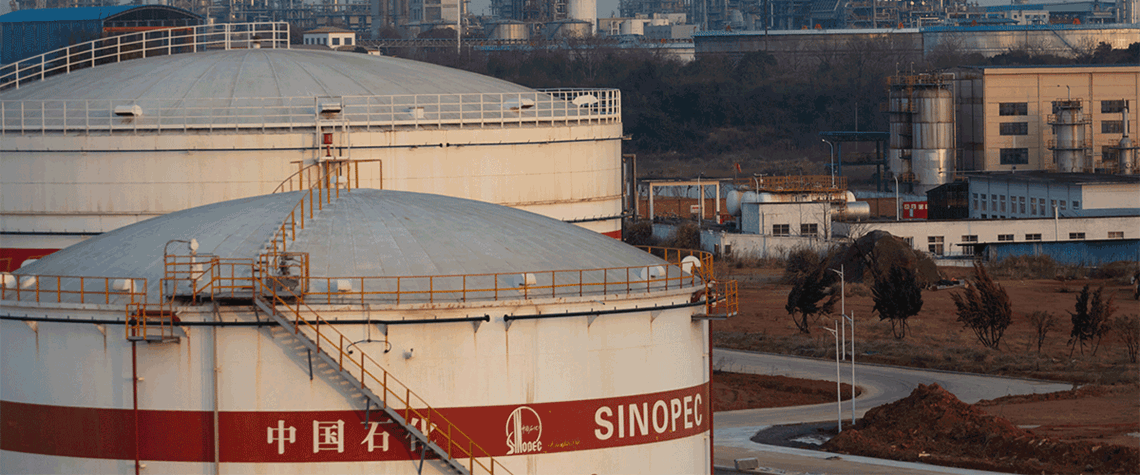
China has also benefitted from buying discounted sanctioned crude
Asia’s changing oil market landscape
Chinese demand is at the forefront of shifting oil contours for Asia for 2024 and beyond
Asian oil markets are poised for a shake-up, as a diverse mix of global supply and demand factors—ranging from a slowdown in Chinese imports to new supply developments influencing where Japanese and Korean buyers source volumes—come into play in the months ahead to potentially reshape long-term trends in the region. China features prominently on the list of uncertainties in the final weeks of 2023 and heading into the new year. Chinese demand has been the biggest driver of the relative oil price strength, with imports expanding by 1.6m b/d year-on-year so far in 2023, to 10.9m b/d, but they are set to trend lower in the final quarter, falling from an average of 11.4m b/d in the first half of

Also in this section
2 April 2026
Alongside a rapid continued build-out of renewables, China’s latest five-year plan stresses the value of domestic hydrocarbon production for energy security and calls for increased Russian gas imports
2 April 2026
The government is taking important steps to revive domestic production, lift investment and benefit from the geopolitical crisis even if more needs to be done in the longer term
1 April 2026
Golden Pass’s startup offers QatarEnergy a timely boost but may also force a difficult choice between honouring disrupted contracts and capitalising on soaring spot LNG prices
1 April 2026
It is not a case of if or when, but the length and magnitude of economic damage from elevated oil prices


