


Newsletters | Request Trial | Log in | Advertise | Digital Issue   |   Search
  • Upstream
  • Midstream & Downstream
  • Gas & LNG
  • Trading & Markets
  • Corporate & Finance
  • Geopolitics
  • Podcasts
Search
Related Articles
OPEC+ nears output targets amid unsolved riddles
OPEC+ has proven to be astute at bringing back oil production, but mysteries around Chinese buying, missing barrels and oil-on-water have left the group in wait-and-see mode
Nigeria charts ‘just transition’ course for NOCs
OPEC Governor Ademola Adeyemi Bero argues that only by prioritising oil and gas through partnerships with IOCs and stable OPEC market management can NOCs fulfil their pivotal global role
China’s oil plan comes together
The country’s rapid output growth is an example that other producers could learn from
Oil’s fragile AI trillions
Prices risk hitting $10/bl should the tech bubble burst amid worrying economic fallout
China seizes oil security opportunity
A combination of geopolitical uncertainty and OPEC+ barrels has driven a renewed focus on building strategic oil stocks despite flagging demand
Arctic LNG comes in from the cold
Beijing now appears prepared to accept discounted Russian LNG, even at the cost of heightened sanctions risk
OPEC+ exposes its producers’ limits
Saudi Arabia, the UAE and Iraq appear to be only members able to increase output as Russia approaches close to maximum capacity
US sees energy dominance as strategic necessity
The Trump administration is using energy exports to strengthen political and economic ties with allies and weaken adversaries, while simultaneously exploiting those ties to open up further markets for US energy
China’s role as oil buffer stock manager
The country’s intervention in global oil markets to stabilise prices could last well into 2026
Letter from Vienna: OPEC at 65
Following its founding in September 1960, OPEC has become a key player in the global energy sector and a vital source of market stability
China is the world’s largest crude buyer
China Markets
Shi Weijun
Shanghai
21 April 2023
Follow @PetroleumEcon
Forward article link
Share PDF with colleagues

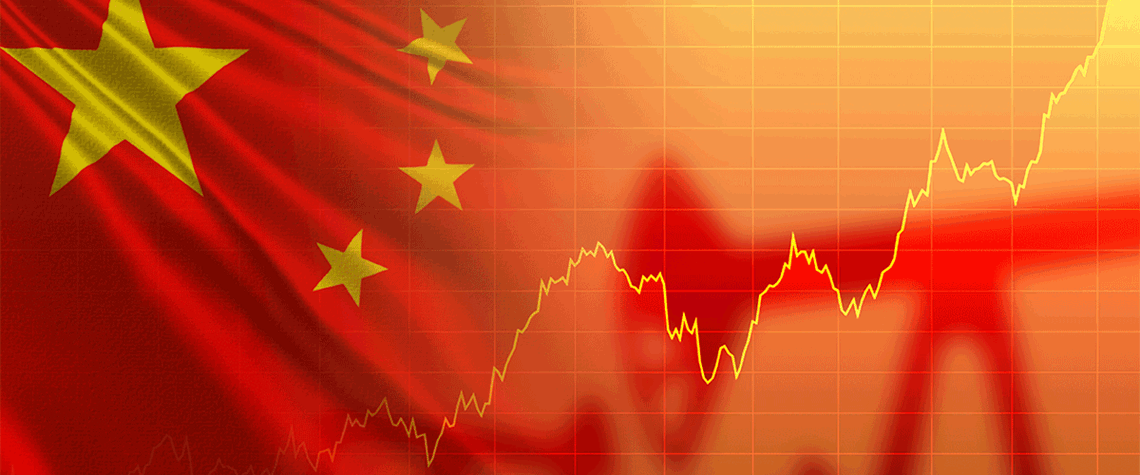
Opec+ cuts jar with China’s strong buying signals

Beijing likely to be unfazed by move amid growing alliance with Saudi Arabia

April’s shock decision by Opec+ to voluntarily cut more oil production stands in stark contrast with evidence that China is fuelling its resurgent post-Covid economy. Tentative but compelling data showing China is stepping up imports, along with its strategic ties with Saudi Arabia, was not enough to stop the oil-producing alliance acting to shore up prices. Opec+, comprising the Saudi Arabia-led Opec and other producers such as Russia, announced a 1.66mn bl/d voluntary reduction that will take effect from May and add to the existing 2mn bl/d cut implemented last October. The magnitude and timing of the latest move—agreed outside the formal framework of the alliance on a weekend—caught globa

Also in this section
Gas should fare better than oil under Canada’s new regime
13 November 2025
The new federal government appears far more supportive of oil and gas than former prime minister Justin Trudeau’s climate-focused administration, but the prospects look better for the latter hydrocarbon
Petroleum Economist: November 2025
12 November 2025
The November 2025 issue of Petroleum Economist is out now!
Lukoil loses its growth prospects
10 November 2025
The Russian firm made a significant attempt to expand overseas over the past two decades but is now trying to divest its global operations
OPEC+ nears output targets amid unsolved riddles
10 November 2025
OPEC+ has proven to be astute at bringing back oil production, but mysteries around Chinese buying, missing barrels and oil-on-water have left the group in wait-and-see mode

Share PDF with colleagues

COPYRIGHT NOTICE: PDF sharing is permitted internally for Petroleum Economist Gold Members only. Usage of this PDF is restricted by <%= If(IsLoggedIn, User.CompanyName, "")%>’s agreement with Petroleum Economist – exceeding the terms of your licence by forwarding outside of the company or placing on any external network is considered a breach of copyright. Such instances are punishable by fines of up to US$1,500 per infringement
Send

Forward article Link

Send
Sign Up For Our Newsletter
Project Data
Maps
Podcasts
Social Links
Featured Video
Home
  • About us
  • Subscribe
  • Reaching your audience
  • PE Store
  • Terms and conditions
  • Contact us
  • Privacy statement
  • Cookies
  • Sitemap
All material subject to strictly enforced copyright laws © 2025 The Petroleum Economist Ltd
Cookie Settings
;

Search
