


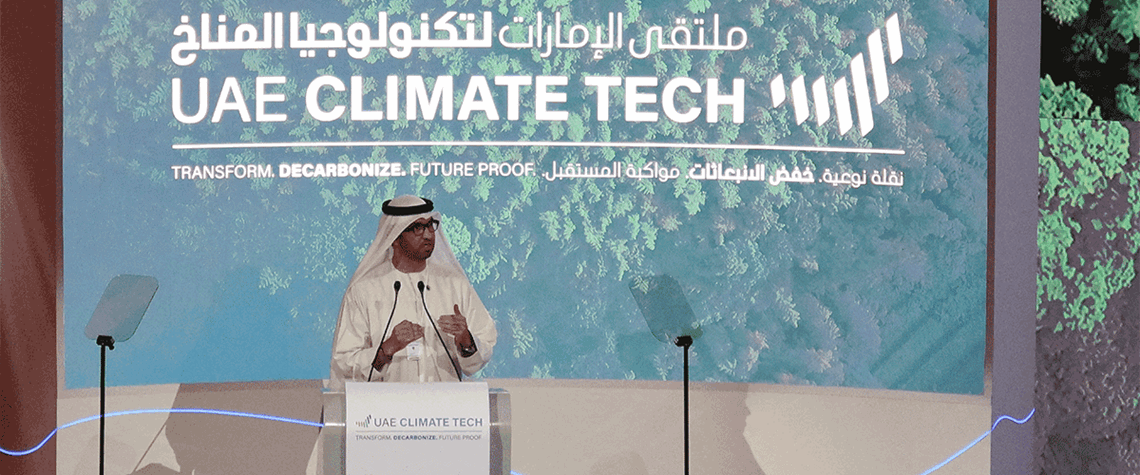
Sultan Ahmed al-Jaber, head of Adnoc and designated head of the upcoming Cop28 negotiations in Dubai
Realistic hope should be the legacy of Cop28
The appointment of the UAE’s Sultan Ahmed al-Jaber as Cop president has drawn criticism from some quarters, but progress on the energy transition will require cooperation, not conflict
It is no longer surprising to see a sudden surge of outrage aimed at energy leaders, often amplified by global and social media. Stories of heroes and villains remain popular. The World Energy Council community has been at the forefront of making energy transitions happen for a century, so has some experience to bring to the table. The latest outrage has been aimed at the credibility of the UAE’s appointed Cop president, Sultan Ahmed al-Jaber, following concerns raised by some Western legislators. It is easy to join the bandwagon of criticism against a highly visible target, but progress rests on inclusion and sustaining cooperation, not conflict. More decentralised, decarbonised and d

Also in this section
14 April 2026
The GECF has warned it may revise its projections for demand this year downwards in light of conflict in the Middle East, although it maintains its forecasts for 2027 and onwards
13 April 2026
Petroleum Economist analysis highlights sharp shift from crude oversupply to market deficit, with Iraq and Kuwait badly affected and key producers Saudi Arabia and the UAE also seeing output sharply lower
13 April 2026
Turkmenistan is moving ahead with a modest expansion of the giant Galkynysh field to sustain gas deliveries abroad, but persistent delays to other key pipeline projects and geopolitical risks continue to constrain its export ambitions
13 April 2026
Expensive electricity has forced out swathes of energy-intensive industry and now threatens the country’s ability to attract future investment in datacentres and the digital economy


