


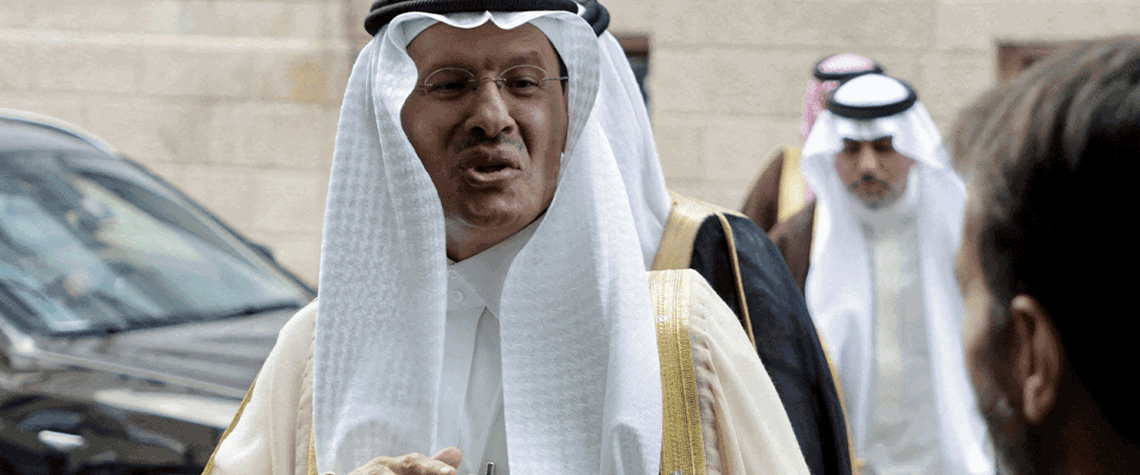
Saudi Arabian energy minister Prince Abdulaziz bin Salman arrives for the Opec meeting in June

Saudi Arabia, Opec+ and oil price formation
Why does a Saudi production cut of a million barrels fail to drive prices higher?
Opec leader Saudi Arabia announced in early June a unilateral cut in oil production of 1mn bl/d from July. In addition, the wider Opec+ group announced a plan to limit oil supply to the end of 2024. So why did the market hardly move? At the heart of the problem is a narrative that fails to understand global price formation in the oil markets. Prince Abdulaziz bin Salman, Saudi Arabia’s energy minister, believes oil prices are driven by speculators, who drive prices well below the ‘fundamental’ levels supposedly determined by supply and demand. It is true that the absolute price level of oil is driven entirely by the financial market participants and not those who trade physical oil. Using th

Also in this section
13 April 2026
For GCC producers, the ceasefire may prove more destabilising than the war itself: exports remain constrained, and control over Hormuz has shifted in ways that could endure
9 April 2026
The April 2026 issue of Petroleum Economist is out now!
9 April 2026
Offshore operators are working through an FID backlog as the rig market consolidates, helped by improving project economics and a renewed security drive
2 April 2026
Alongside a rapid continued build-out of renewables, China’s latest five-year plan stresses the value of domestic hydrocarbon production for energy security and calls for increased Russian gas imports


