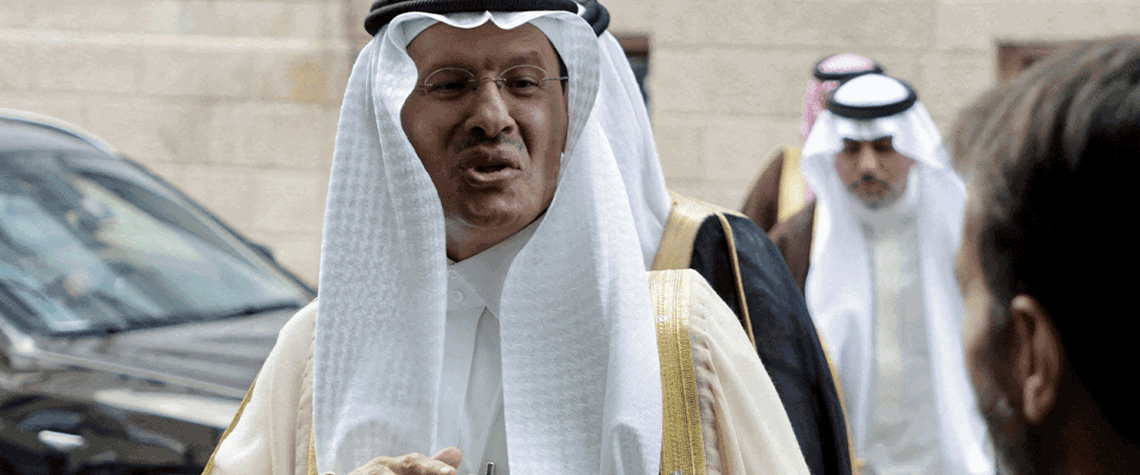
Saudi Arabian energy minister Prince Abdulaziz bin Salman arrives for the Opec meeting in June

Saudi Arabia, Opec+ and oil price formation
Why does a Saudi production cut of a million barrels fail to drive prices higher?
Opec leader Saudi Arabia announced in early June a unilateral cut in oil production of 1mn bl/d from July. In addition, the wider Opec+ group announced a plan to limit oil supply to the end of 2024. So why did the market hardly move? At the heart of the problem is a narrative that fails to understand global price formation in the oil markets. Prince Abdulaziz bin Salman, Saudi Arabia’s energy minister, believes oil prices are driven by speculators, who drive prices well below the ‘fundamental’ levels supposedly determined by supply and demand. It is true that the absolute price level of oil is driven entirely by the financial market participants and not those who trade physical oil. Using th

Also in this section
11 August 2025
The administration is pushing for deregulation and streamline permitting for natural gas, while tightening requirements and stripping away subsidies from renewables
8 August 2025
The producers’ group missed its output increase target for the month and may soon face a critical test of its strategy
7 August 2025
The quick, unified and decisive strategy to return all the barrels from the hefty tranche of cuts from the eight producers involved in voluntary curbs signals a shift and sets the tone for the path ahead
7 August 2025
Without US backing, the EU’s newest sanctions package against Russia—though not painless—is unlikely to have a significant impact on the country’s oil and gas revenues or its broader economy