


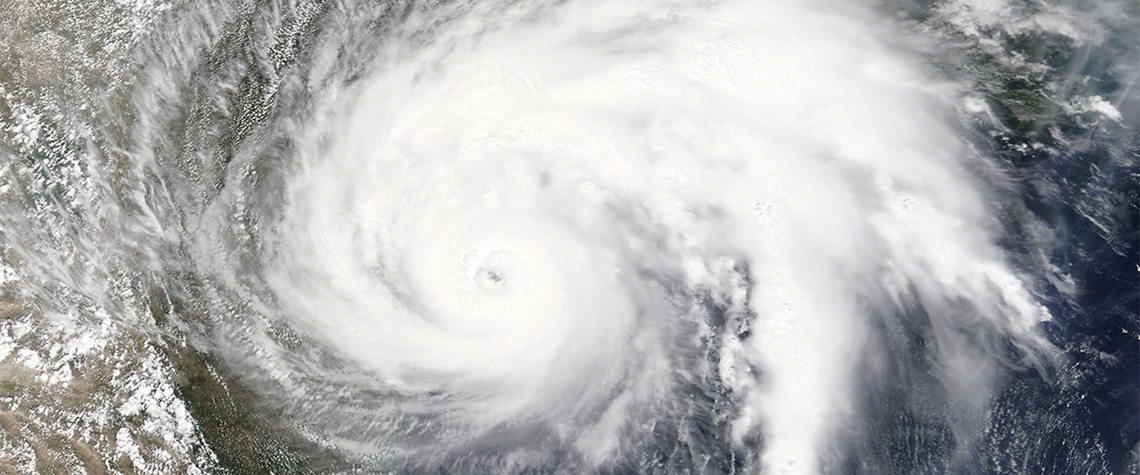
Hurricane Harvey heads towards Houston
US Gulf continues to refine hurricane response
Another Atlantic hurricane season is well underway and expected to peak in September, while the oil and gas industry on the US Gulf Coast continues to watch the weather with caution
Hurricanes including Katrina, Harvey and Ida have caused extensive damage and disruption to the oil and gas industry on the US Gulf Coast over the past 20 years, and future storms pose a significant risk. Given the uncertainty over how much damage any one hurricane could cause, and the fact that record-breaking storms have been increasingly common in recent years, it is difficult for the industry to know what to expect. On the other hand, weather forecasting is becoming more accurate, and with examples of past damage serving as lessons, the sector finds itself in a relatively strong position to manage the risks involved. Part of the challenges lies in the sheer amount of infrastructure—downs

Also in this section
2 April 2026
Alongside a rapid continued build-out of renewables, China’s latest five-year plan stresses the value of domestic hydrocarbon production for energy security and calls for increased Russian gas imports
2 April 2026
The government is taking important steps to revive domestic production, lift investment and benefit from the geopolitical crisis even if more needs to be done in the longer term
1 April 2026
Golden Pass’s startup offers QatarEnergy a timely boost but may also force a difficult choice between honouring disrupted contracts and capitalising on soaring spot LNG prices
1 April 2026
It is not a case of if or when, but the length and magnitude of economic damage from elevated oil prices


