


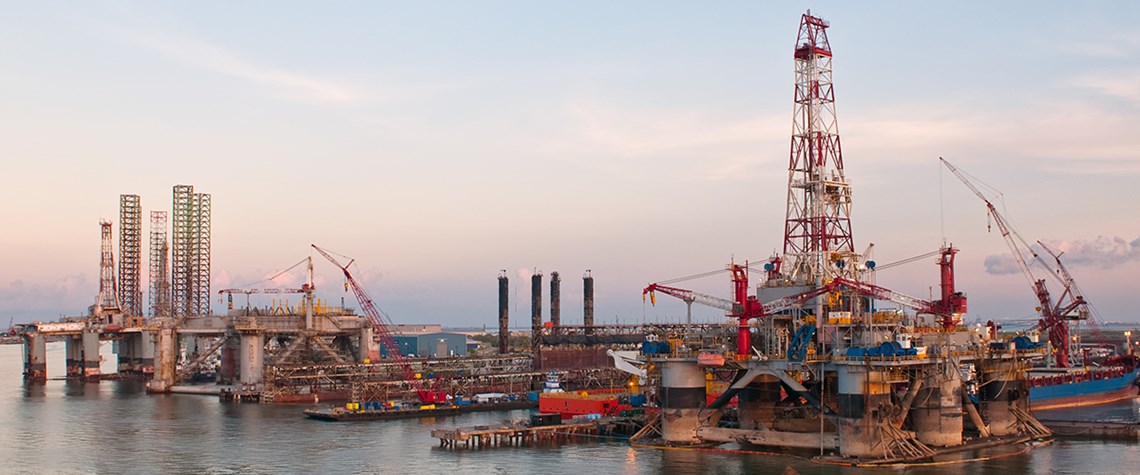
Decommissioning faces a hefty clean-up bill
The industry will spend tens of billions of dollars closing down old offshore fields
The global decommissioning market is yet to take off fully. But as provinces mature, as fields near the end of their life, companies are preparing for the inevitable. They are scrutinising their decommissioning plans, the regulatory and fiscal regimes governing decommissioning and the costs of completing that work. The oil-price crash has made the task more urgent. In mature regions like the UK, higher oil prices allowed mature fields to keep producing beyond their expected economic life, but the price drop brought the day of reckoning nearer. Over the past five years, almost 500 offshore fields globally have ceased production, with that number expected to rise to 735 fields from 2018 to 202

Also in this section
24 March 2026
It is an unusual story of out with the new and in with the old, as America First Refining shows the US going back to trusted energy security developments
23 March 2026
A complex and sometimes contradictory web of factors that include unpredictable oil prices, the globalisation of LNG markets, the expansion of Middle Eastern sovereign capital and the growth of datacentre demand will shape the energy landscape beyond 2026
23 March 2026
The Strait of Hormuz crisis highlights how key waterways can become global chokepoints
20 March 2026
Attacks on key oil and LNG assets across the Gulf mean a prolonged supply disruption, with damage to Qatar’s export capacity undermining confidence in the global gas system


