


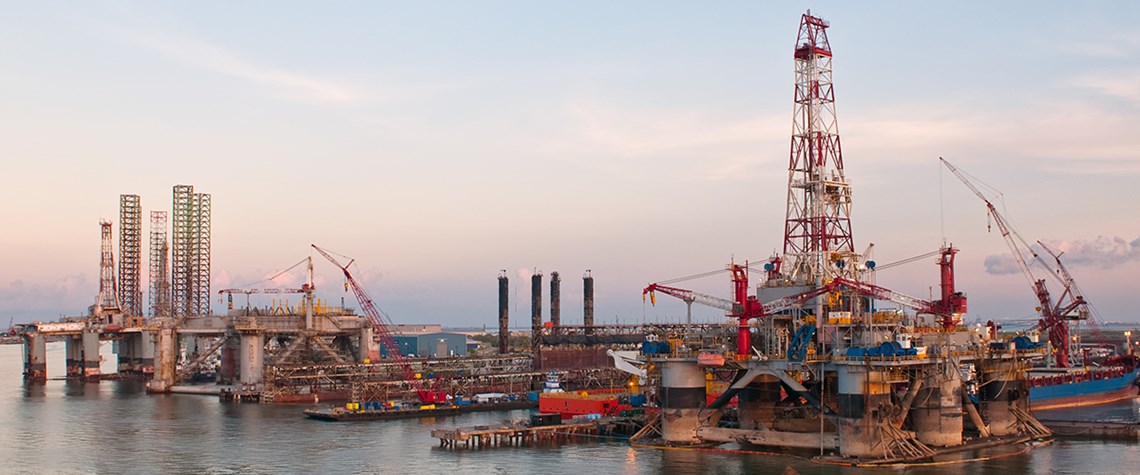
Decommissioning faces a hefty clean-up bill
The industry will spend tens of billions of dollars closing down old offshore fields
The global decommissioning market is yet to take off fully. But as provinces mature, as fields near the end of their life, companies are preparing for the inevitable. They are scrutinising their decommissioning plans, the regulatory and fiscal regimes governing decommissioning and the costs of completing that work. The oil-price crash has made the task more urgent. In mature regions like the UK, higher oil prices allowed mature fields to keep producing beyond their expected economic life, but the price drop brought the day of reckoning nearer. Over the past five years, almost 500 offshore fields globally have ceased production, with that number expected to rise to 735 fields from 2018 to 202

Also in this section
14 April 2026
The GECF has warned it may revise its projections for demand this year downwards in light of conflict in the Middle East, although it maintains its forecasts for 2027 and onwards
13 April 2026
Petroleum Economist analysis highlights sharp shift from crude oversupply to market deficit, with Iraq and Kuwait badly affected and key producers Saudi Arabia and the UAE also seeing output sharply lower
13 April 2026
Turkmenistan is moving ahead with a modest expansion of the giant Galkynysh field to sustain gas deliveries abroad, but persistent delays to other key pipeline projects and geopolitical risks continue to constrain its export ambitions
13 April 2026
Expensive electricity has forced out swathes of energy-intensive industry and now threatens the country’s ability to attract future investment in datacentres and the digital economy


