


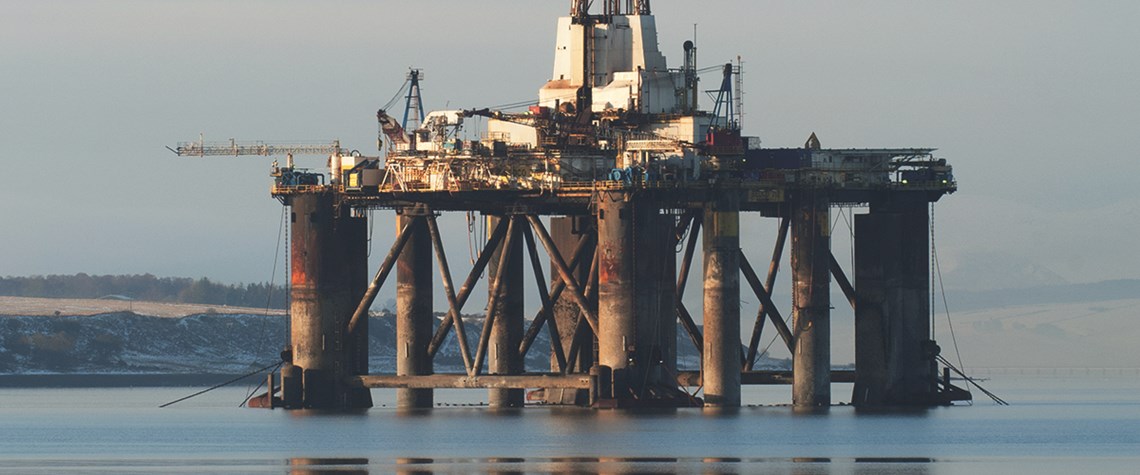
North Sea's golden years
The region may be past its prime but is still running with the best
The North Sea has been through a remarkable change since the oil price fall in 2014. Costs have dropped by as much as 40% and, against the odds, a new slate of projects awaits investment decisions in 2018. Despite its maturity, the region still sucks in investment and competes with upstart shale oil and low-cost Opec resources. Two fundamental drivers are behind the North Sea's continued attractiveness: it's conventional oil, relatively easy to get to, and it's located in politically placid OECD waters. OECD conventional liquids production has declined from about 23m barrels a day in 1997 to about 17m b/d in 2017. For producers that don't have access to North American unconventional projects

Also in this section
28 April 2026
Oil traders warning of $200/bl oil are wrong, and the market should be wary of proclamations that the impact of the oil shortage has only begun to be felt and a that a ‘harsh adjustment’ is coming—even for industrialised nations
28 April 2026
Restoring supply from Saudi Arabia, the UAE, Kuwait, Qatar, Bahrain and Iraq involves complexities far beyond simply adjusting operational controls
28 April 2026
Datacentres will guzzle power at a ferocious rate, but the impact on wider energy markets will be far more complex than previously thought
28 April 2026
The key energy player faces balancing regional routes, political complexities, and creating a clear strategic vision for energy security


