


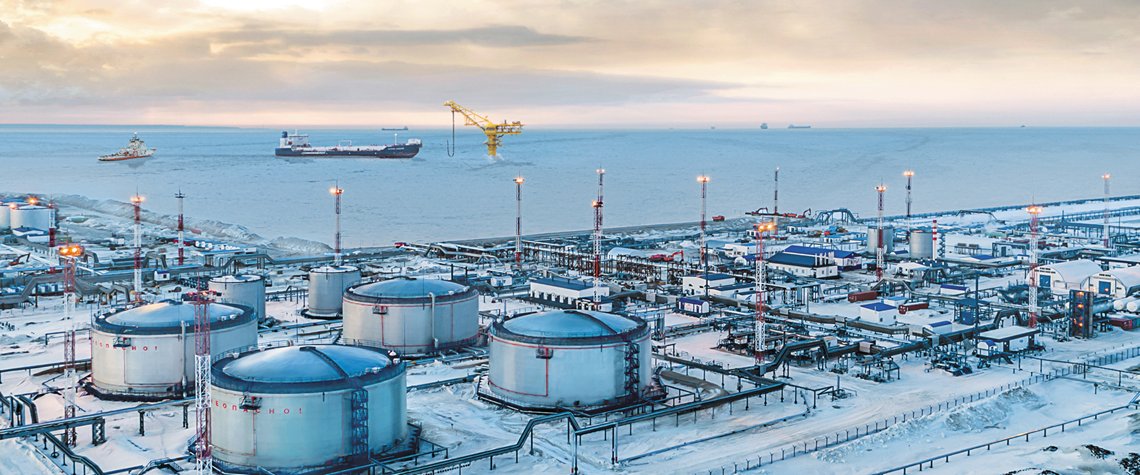
Russian production looks to technology for growth
Expanding the use of enhanced oil recovery methods could offset output declines
The contamination of the Druzhba pipeline with organic chlorides in April 2019—which became the most serious interruption of supplies in the history of Russian oil trade—had a profound impact on the country’s export volumes. But despite deliveries only fully resuming on 1 July, crude oil exports to Europe for the first eight months of 2019 exceeded those during the same period of 2018. It was a different story for petroleum product exports. These totalled 2.8mn bl/d for the first eight months of 2019, 10pc less than in 2018. The main reasons for this decline were an increase in export duties on heavy oil products and slowing European demand. As of the end of 2018, 11.16mn bl/d of oil and gas

Also in this section
2 April 2026
Alongside a rapid continued build-out of renewables, China’s latest five-year plan stresses the value of domestic hydrocarbon production for energy security and calls for increased Russian gas imports
2 April 2026
The government is taking important steps to revive domestic production, lift investment and benefit from the geopolitical crisis even if more needs to be done in the longer term
1 April 2026
Golden Pass’s startup offers QatarEnergy a timely boost but may also force a difficult choice between honouring disrupted contracts and capitalising on soaring spot LNG prices
1 April 2026
It is not a case of if or when, but the length and magnitude of economic damage from elevated oil prices


