


Angola revival stalled by global demand slump
Sharply lower oil prices mean the West African country will find it difficult to finance the investment needed to replace its ageing offshore fields
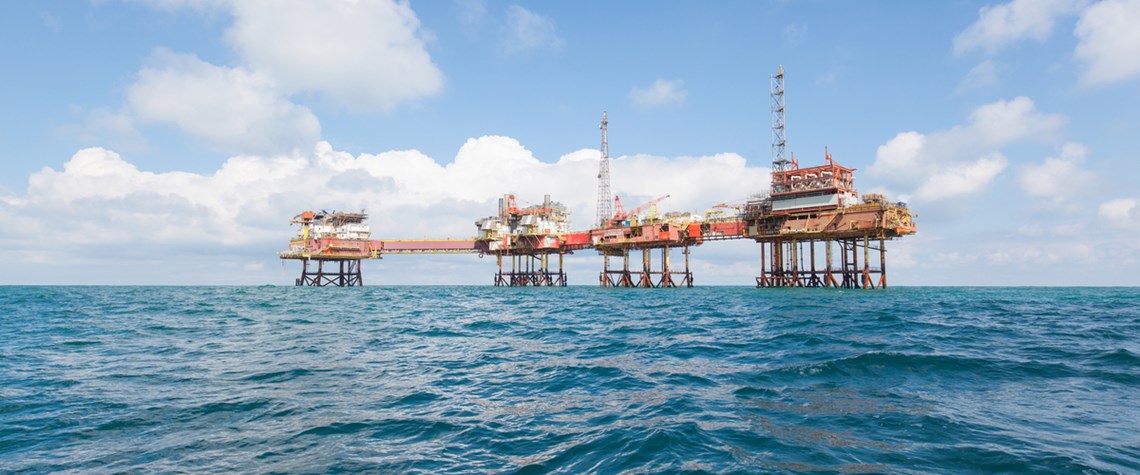
Slumping oil prices and weak demand are reducing investment in Angola’s oil sector, hastening a decline in production that could cut the country’s output by more than a third by 2029. Angolan president Joao Lourenco, elected in 2017, has sought to reform the country’s sprawling, corrupt bureaucracy and boost dwindling crude production. He created a standalone industry regulator, the National Oil and Gas Agency, separating out the function from NOC Sonangol, and cut corporate taxes in an effort to attract more interest in the country’s costly and risky deepwater marginal fields. “Going into 2020, it was looking pretty positive,” says Adam Pollard, a senior upstream analyst at consultancy Wood

Also in this section
29 April 2026
Trafigura’s $1b prepayment agreement confirms African resource holders’ renewed interest in oil-backed financing deals as they look to capitalise on high oil prices
29 April 2026
The UAE’s departure from the oil producers’ group was a surprise to many, but the move can be traced back to a single point five years ago
28 April 2026
Oil traders warning of $200/bl oil are wrong, and the market should be wary of proclamations that the impact of the oil shortage has only begun to be felt and a that a ‘harsh adjustment’ is coming—even for industrialised nations
28 April 2026
Restoring supply from Saudi Arabia, the UAE, Kuwait, Qatar, Bahrain and Iraq involves complexities far beyond simply adjusting operational controls


