


Canadian oil sands compound their image problem
Emission pledges are being rolled back to counter adverse economic conditions, reinforcing a sense the sector is not serious about lowering its carbon footprint
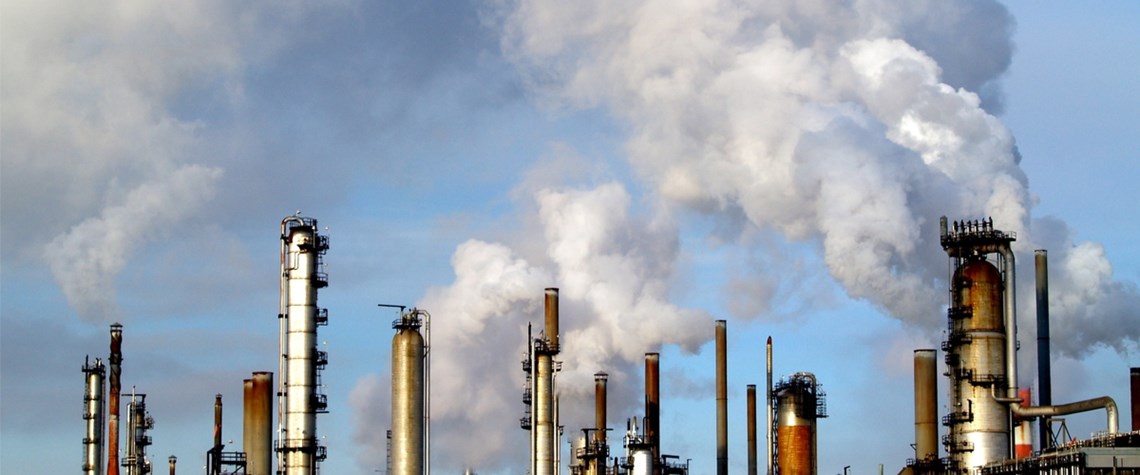
The Canadian oil industry simply cannot shake the ‘dirty oil’ tag. The problem has contributed to an exodus of IOCs from Alberta’s oil sands, a growing financial boycott and opposition to new pipeline projects. In May, US presidential challenger Joe Biden vowed to kill Canadian midstreamer TC Energy’s 830,000bl/d Keystone XL pipeline project if victorious in November. "I have been against Keystone from the beginning,” Biden told a TV news interview. “It is tar sands that we do not need—that in fact is very, very high pollutant.” Critics point to rapidly rising greenhouse gas (GHG) emissions from the oil sands industry making it all but impossible for Canada to meet its Paris Agreement pledge

Also in this section
2 April 2026
Alongside a rapid continued build-out of renewables, China’s latest five-year plan stresses the value of domestic hydrocarbon production for energy security and calls for increased Russian gas imports
2 April 2026
The government is taking important steps to revive domestic production, lift investment and benefit from the geopolitical crisis even if more needs to be done in the longer term
1 April 2026
Golden Pass’s startup offers QatarEnergy a timely boost but may also force a difficult choice between honouring disrupted contracts and capitalising on soaring spot LNG prices
1 April 2026
It is not a case of if or when, but the length and magnitude of economic damage from elevated oil prices


