


Majors’ divestment dilemma
Depressed oil prices are forcing large-cap producers to roll back spending. But will they continue to try to shed non-core assets?
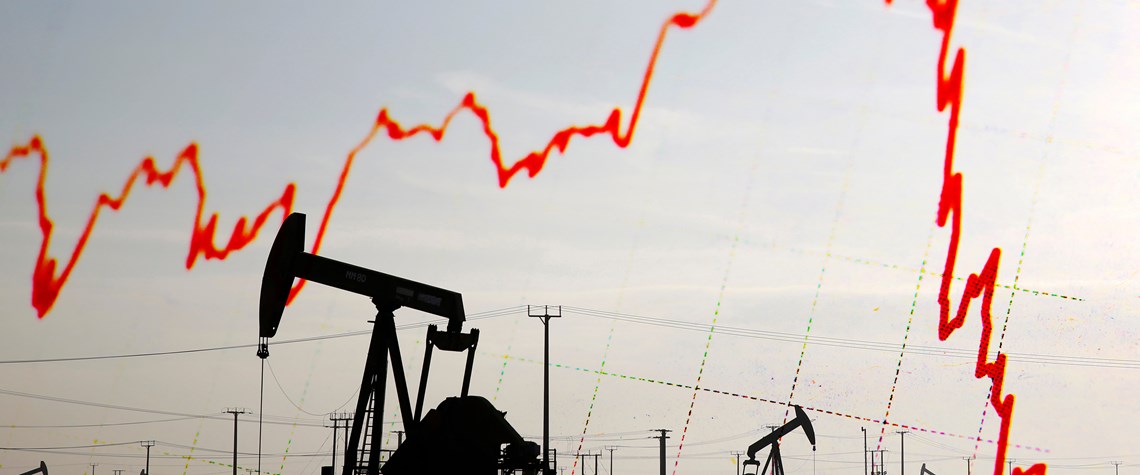
The equity markets had long been in a mood to reward large-cap international oil companies (IOCs) that pledged a very similar diet of capital disciple. Targeted spending in only the projects offering the best returns, lowered costs and cash returned to shareholders were firmly in favour. And high-grading the portfolio by divesting non-core or high-cost assets was a de rigeur part of the story. But no one expected or planned for an oil price of below $30/bl. Millions of extra barrels of oil have flooded the market in the past few weeks following the collapsed Opec+ talks. And the crisis is being aggravated by the Covid-19 pandemic, which has removed global energy demand on an unprecedented s

Also in this section
28 April 2026
Oil traders warning of $200/bl oil are wrong, and the market should be wary of proclamations that the impact of the oil shortage has only begun to be felt and a that a ‘harsh adjustment’ is coming—even for industrialised nations
28 April 2026
Restoring supply from Saudi Arabia, the UAE, Kuwait, Qatar, Bahrain and Iraq involves complexities far beyond simply adjusting operational controls
28 April 2026
Datacentres will guzzle power at a ferocious rate, but the impact on wider energy markets will be far more complex than previously thought
28 April 2026
The key energy player faces balancing regional routes, political complexities, and creating a clear strategic vision for energy security


