


Newsletters | Request Trial | Log in | Advertise | Digital Issue   |   Search
  • Upstream
  • Midstream & Downstream
  • Gas & LNG
  • Trading & Markets
  • Corporate & Finance
  • Geopolitics
  • Podcasts
Search
Related Articles
OPEC+’s cohesive restraint
The alliance is keeping output on track and the market in balance amid geopolitical tensions and a fragile supply-demand ledger
OPEC’s discipline sets tone for 2026
OPEC+ remains on track as output falls, with only Gabon failing to hit its output targets in December, although Kazakhstan’s compliance was involuntary
Outlook 2026: South America’s oil growth story masks hidden risks
Brazil, Guyana and Argentina to lead additional crude supply increases, but the rest of the region remains patchy
OPEC presses pause
The group’s oil production declined in November, our latest analysis finds, amid divided sentiment over market balances and geopolitical jitters
Letter from London: Oil’s golden triangle
The interplay between OPEC+, China and the US will define oil markets throughout 2026
OPEC+ nears output targets amid unsolved riddles
OPEC+ has proven to be astute at bringing back oil production, but mysteries around Chinese buying, missing barrels and oil-on-water have left the group in wait-and-see mode
OPEC+ exposes its producers’ limits
Saudi Arabia, the UAE and Iraq appear to be only members able to increase output as Russia approaches close to maximum capacity
Letter from Vienna: OPEC at 65
Following its founding in September 1960, OPEC has become a key player in the global energy sector and a vital source of market stability
OPEC’s realignment
The group is cleansing itself of non-compliers and resetting expectations as it unwinds quicker than expected in a bid to go beyond production quotas
OPEC+ off-target in July
The producers’ group missed its output increase target for the month and may soon face a critical test of its strategy
Covid-19 Opec Guyana Permian
Charles Waine
19 March 2020
Follow @PetroleumEcon
Forward article link
Share PDF with colleagues

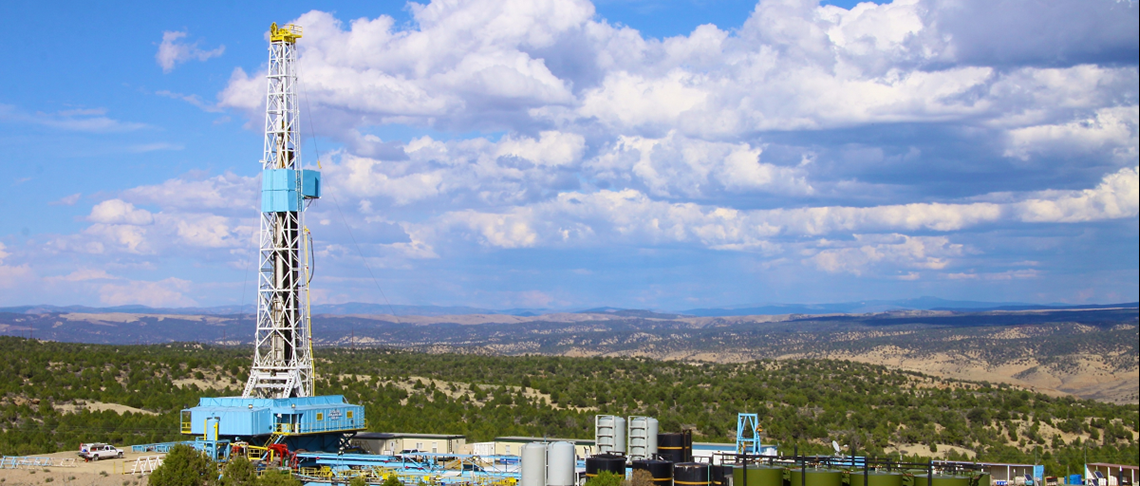
US upstream companies feel the strain

Economic uncertainty forces E&Ps to significantly revise down their capital budgets

The Covid-19 outbreak seemed little more than another temporary shock to long-term rangebound energy markets barely a month ago. China appeared to have contained a largely localised phenomenon, and observers were estimating how long it would take Asian demand to recover. Oil producers stuck firmly to their 2020 production guidance.  But events have changed radically. Europe is now the epicentre of a global emergency that could last months and test the healthcare capabilities of governments throughout the world. The associated collapse in global energy demand—and uncertainty how and when supply will respond in the wake of Opec+ disarray—have shocked commodity markets. “The weak global economy

Also in this section
Rethinking the Middle East oil topography
19 March 2026
The regional crisis highlights the undervalued role of fixed pipelines in the age of tanker flexibility
Do not fear runaway Henry Hub prices
18 March 2026
Rising LNG exports and AI-driven power demand have raised concerns that US gas prices could climb sharply, but analysts say abundant shale supply and continued productivity gains should keep Henry Hub within a range that preserves the competitiveness of US LNG
Will policymakers panic before the oil market?
18 March 2026
Risks of shortages in oil products may cause world leaders to panic and make mistakes instead of letting the market do what it does best
Letter from the Middle East: LNG – the weak link the Gulf crisis just exposed
Opinion
17 March 2026
The crisis in the Middle East has put LNG’s ability to offer security and flexibility under uncomfortable scrutiny

Share PDF with colleagues

COPYRIGHT NOTICE: PDF sharing is permitted internally for Petroleum Economist Gold Members only. Usage of this PDF is restricted by <%= If(IsLoggedIn, User.CompanyName, "")%>’s agreement with Petroleum Economist – exceeding the terms of your licence by forwarding outside of the company or placing on any external network is considered a breach of copyright. Such instances are punishable by fines of up to US$1,500 per infringement
Send

Forward article Link

Send
Sign Up For Our Newsletter
Project Data
Maps
Podcasts
Social Links
Featured Video
Home
  • About us
  • Subscribe
  • Reaching your audience
  • PE Store
  • Terms and conditions
  • Contact us
  • Privacy statement
  • Cookies
  • Sitemap
All material subject to strictly enforced copyright laws © 2025 The Petroleum Economist Ltd
Cookie Settings
;

Search
