


Newsletters | Request Trial | Log in | Advertise | Digital Issue   |   Search
  • Upstream
  • Midstream & Downstream
  • Gas & LNG
  • Trading & Markets
  • Corporate & Finance
  • Geopolitics
  • Podcasts
Search
Related Articles
Kurdistan starts to deliver on oil promise
Gulf Keystone looks to a ‘transformational’ 2026, with the oil producer upbeat for the region should all the vested interests keep their eyes on the prize
Libya’s upstream caught between hope and caution
The North African producer’s first bidding round in almost two decades is an important milestone but the recent extension suggests a degree of trepidation
Accelerating MENA’s gas transformation
Gas has become a pillar of MENA economies and a catalyst for development strategies, fostering cooperation and creating new paths for economic diversification. Continued progress will require substantial investment and adapted regulations
MENA states sharpen their gas focus
The GCC countries and other states in the region are looking to make greater domestic use of gas, both that produced at home and imported volumes
Middle East doubling down on oil strength
Saudi Arabia, the UAE, Iraq and Kuwait aim to turn geological advantage into sustained geopolitical power via greater spare capacity
BP’s long stay in Russia
After failed attempts to find a buyer for its stake in Russia’s largest oil producer, BP may be able to avoid the harsh treatment meted out to ExxonMobil and Shell when they exited—and could even restart operations if geopolitical conditions improve
Middle East gas can power regional prosperity
The Middle East natural gas playbook is being rewritten. The fuel source offers the region a pathway to a cleaner, sustainable and affordable means of local power, to fasttrack economic development and as a lucrative opportunity to better monetise its energy resources.
Iraq’s tangled Ceyhan oil web
KRG, Iraq’s central government and Turkey are all working to get exports flowing from the key port, but complications remain
Nigeria bullish about oil recovery
Efforts to restructure and boost investment appear to be working, but doubts remain about the plan to almost double crude production by 2030
Old hands dominate Algeria’s upstream auction
The country’s latest licensing round attracted bids from IOCs and NOCs in a better showing than its last outreach to bidders
Iraq has had a rocky relationship with IOCs
Iraq IOCs BP Cnooc ExxonMobil Shell Sinopec
Ahmed Mousa Jiyad
13 July 2021
Follow @PetroleumEcon
Forward article link
Share PDF with colleagues

Iraq and IOCs: A complex web

Baghdad needs to improve its relationship with international partners. But beware assuming there are easy answers

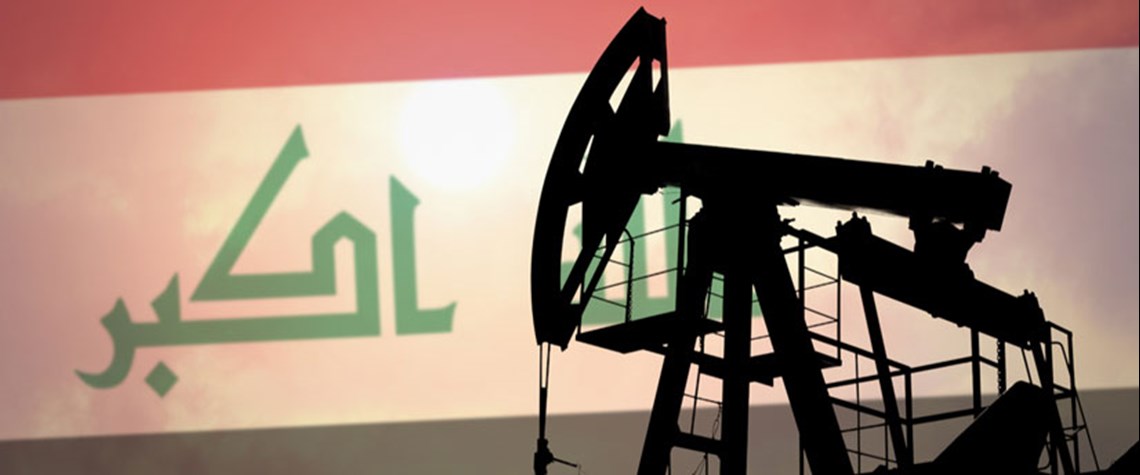
Reports that Iraq’s tax authority has issued orders to prevent around 20 foreign energy firms from being able to secure visas for their personnel or to import materials, on the grounds of late tax payments, are another jarring reminder of the country’s long-rocky relationship with IOCs. But too many commentators have focused on addressing the ‘one’ reason why IOCs have fallen out of love with Iraq. In reality, it is far more complex. The very fact that various analysts do not agree but hit upon various themes as their preferred main driver—harsh contractual terms, the type of contract on offer, corruption, resource mismanagement or security conditions—is telling. That all these factors have

Also in this section
Explainer: Iran’s indispensable energy role
16 January 2026
The country’s global energy importance and domestic political fate are interlocked, highlighting its outsized oil and gas powers, and the heightened fallout risk
Oil’s tanker transformation
16 January 2026
The global maritime oil transport sector enters 2026 facing a rare convergence of crude oversupply, record newbuild deliveries and the potential easing of several geopolitical disruptions that have shaped trade flows since 2022
Letter from the US: The curse of strong energy exports
Opinion
15 January 2026
Rebuilding industry, energy dominance and lower energy costs are key goals that remain at odds in 2026
Venezuela mismanaged its oil, and US shale benefitted
14 January 2026
Chavez’s socialist reforms boosted state control but pushed knowledge and capital out of the sector, opening the way for the US shale revolution

Share PDF with colleagues

COPYRIGHT NOTICE: PDF sharing is permitted internally for Petroleum Economist Gold Members only. Usage of this PDF is restricted by <%= If(IsLoggedIn, User.CompanyName, "")%>’s agreement with Petroleum Economist – exceeding the terms of your licence by forwarding outside of the company or placing on any external network is considered a breach of copyright. Such instances are punishable by fines of up to US$1,500 per infringement
Send

Forward article Link

Send
Sign Up For Our Newsletter
Project Data
Maps
Podcasts
Social Links
Featured Video
Home
  • About us
  • Subscribe
  • Reaching your audience
  • PE Store
  • Terms and conditions
  • Contact us
  • Privacy statement
  • Cookies
  • Sitemap
All material subject to strictly enforced copyright laws © 2025 The Petroleum Economist Ltd
Cookie Settings
;

Search
