


Iraq aims to lift nationwide production capacity by two-thirds
Iraq’s upstream shows signs of life
Baghdad is once again looking towards much higher long-term capacity goals
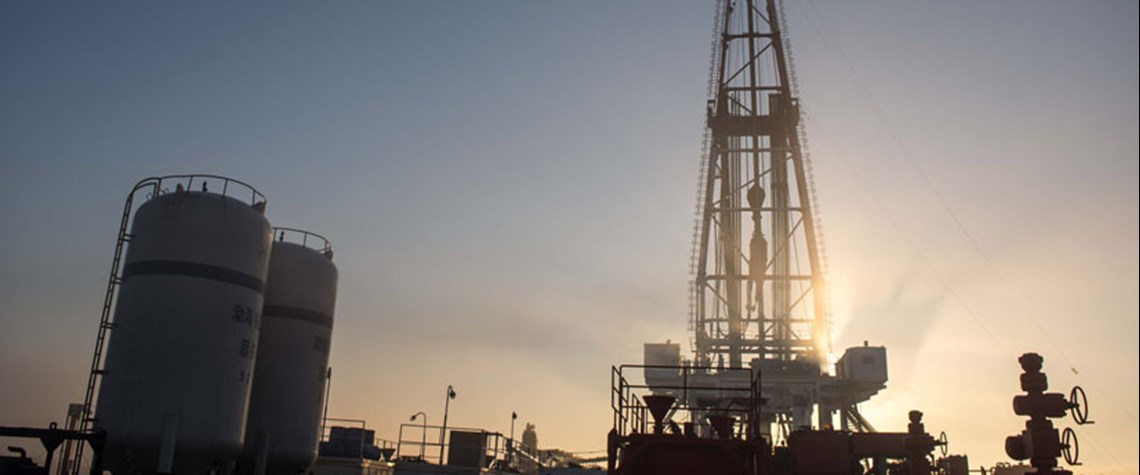
Iraq’s oil production hit a ten-month peak of 3.9mn bl/d in March, as the Opec+ cuts with which the country has, admittedly reluctantly, largely complied with began to ease. And federal export revenues were their highest for a year, ever since the brief Saudi-Russia oil price war was followed by Covid-19. With more production curbs set to lift and the prospect of further revenue growth, Iraq’s oil minister Ihsan Ismaael looked to the future in late March. The country’s new goal is to hike nationwide capacity—including that controlled by the Kurdistan Regional Government (KRG) in the semi-autonomous north—by some two-thirds, to 8m bl/d, by 2029. 8mn bl/d – Baghdad’s 2029 output goal W

Also in this section
2 April 2026
Alongside a rapid continued build-out of renewables, China’s latest five-year plan stresses the value of domestic hydrocarbon production for energy security and calls for increased Russian gas imports
2 April 2026
The government is taking important steps to revive domestic production, lift investment and benefit from the geopolitical crisis even if more needs to be done in the longer term
1 April 2026
Golden Pass’s startup offers QatarEnergy a timely boost but may also force a difficult choice between honouring disrupted contracts and capitalising on soaring spot LNG prices
1 April 2026
It is not a case of if or when, but the length and magnitude of economic damage from elevated oil prices


