


GHG intensity of the Canadian oil sands industry continued to decline in 2020
Canada’s oil sands fight for their future
A combination of material reductions in environmental footprint and better communication aims to safeguard the beleaguered industry for the long term
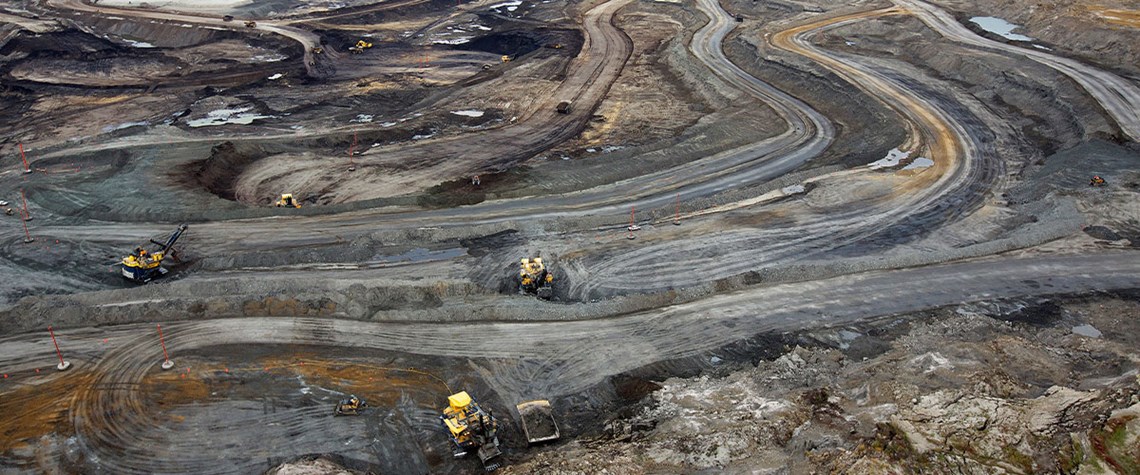
Major Canadian oil sands producers, with the support of the federal and Alberta government, are trying to put the pieces in place to give their industry a fighting chance of continuing to produce and export substantial volumes of oil as the world moves towards net-zero emissions—in defiance of gloomy prognoses for its long-term future such as the IEA’s most recent report on its outlook. The industry has, in the view of Kevin Birn, vice-president of North American crude oil markets at consultancy IHS Markit in Calgary, gone through three major stages of development since the turn of the millennium: a free-for-all for its first 10-15 years, characterised by cost overruns and process inefficien

Also in this section
2 April 2026
Alongside a rapid continued build-out of renewables, China’s latest five-year plan stresses the value of domestic hydrocarbon production for energy security and calls for increased Russian gas imports
2 April 2026
The government is taking important steps to revive domestic production, lift investment and benefit from the geopolitical crisis even if more needs to be done in the longer term
1 April 2026
Golden Pass’s startup offers QatarEnergy a timely boost but may also force a difficult choice between honouring disrupted contracts and capitalising on soaring spot LNG prices
1 April 2026
It is not a case of if or when, but the length and magnitude of economic damage from elevated oil prices


