


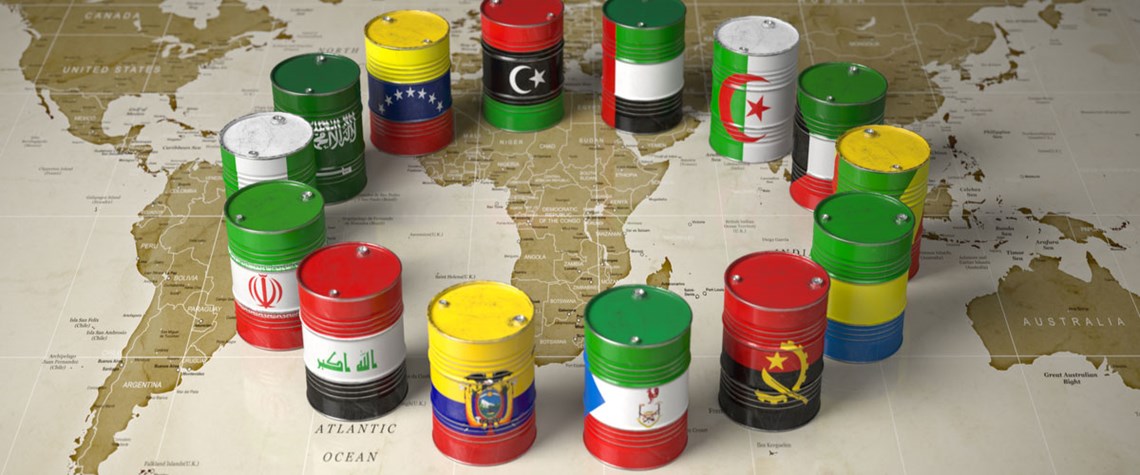
Nigeria’s and Angola’s oil output is likely to continue to fall short of Opec+ quotas this year
Nigeria and Angola struggle to reverse quota failures
The inability of Opec+ to meet its increased production target is due in part to significant shortfalls from the two African suppliers
Nigeria’s and Angola’s oil output is likely, for differing reasons, to continue to fall short of Opec+ quotas in 2022 and might continue to underperform in coming years. “Nigerian production had a bad year in 2021,” says Richard Bronze, head of geopolitics at consultancy Energy Aspects, due “to a combination of various technical issues and disruptions as well as a general backdrop of insufficient investment to sustain capacity”. Many of Nigeria’s most prominent crudes were impacted by technical or operational problems, particularly in the second half of the year. Most of these issues are temporary and can be fixed, says Gail Anderson, research director at consultancy Wood Mackenzie. But “in

Also in this section
14 April 2026
The GECF has warned it may revise its projections for demand this year downwards in light of conflict in the Middle East, although it maintains its forecasts for 2027 and onwards
13 April 2026
Petroleum Economist analysis highlights sharp shift from crude oversupply to market deficit, with Iraq and Kuwait badly affected and key producers Saudi Arabia and the UAE also seeing output sharply lower
13 April 2026
Turkmenistan is moving ahead with a modest expansion of the giant Galkynysh field to sustain gas deliveries abroad, but persistent delays to other key pipeline projects and geopolitical risks continue to constrain its export ambitions
13 April 2026
Expensive electricity has forced out swathes of energy-intensive industry and now threatens the country’s ability to attract future investment in datacentres and the digital economy


