


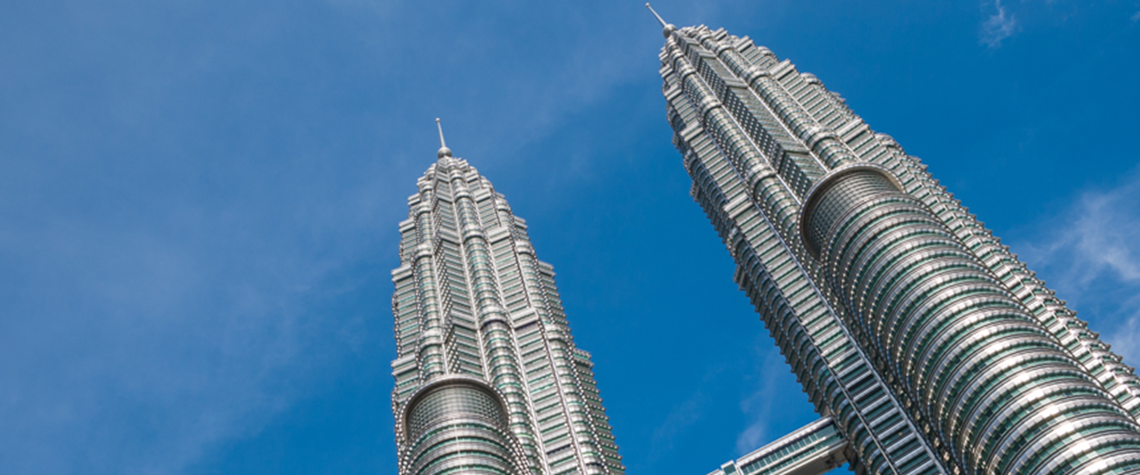
The Petronas towers in Kuala Lumpur
Southeast Asian nations poised for crucial decade
Future development prospects are mixed across the energy-hungry region
Southeast Asia’s energy needs continue to grow rapidly, and the 2020s are set to be a critical decade for the region’s upstream. Energy demand is projected to rise by 3pc a year this decade, and three-quarters of that increase will be met by fossil fuels, the IEA predicts. Upstream activity in the region is dominated by NOCs with varying approaches and priorities. But governments also need to attract foreign investment and expertise to develop significant projects. And like all developing nations, Southeast Asian countries are seeking to balance that need with the desire to maximise returns on their natural resources, as well as their respective carbon pledges. The regional outlooks for oil

Also in this section
2 April 2026
Alongside a rapid continued build-out of renewables, China’s latest five-year plan stresses the value of domestic hydrocarbon production for energy security and calls for increased Russian gas imports
2 April 2026
The government is taking important steps to revive domestic production, lift investment and benefit from the geopolitical crisis even if more needs to be done in the longer term
1 April 2026
Golden Pass’s startup offers QatarEnergy a timely boost but may also force a difficult choice between honouring disrupted contracts and capitalising on soaring spot LNG prices
1 April 2026
It is not a case of if or when, but the length and magnitude of economic damage from elevated oil prices


