


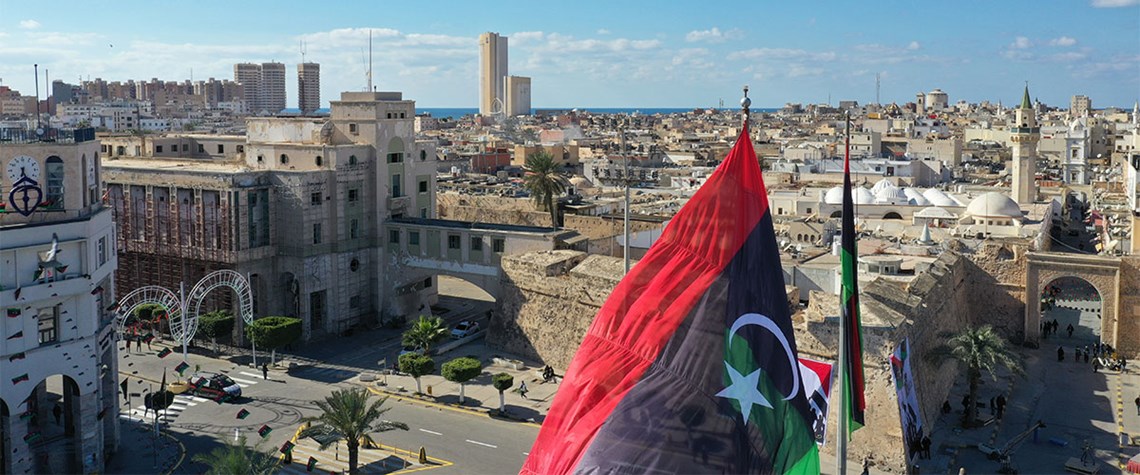
Tripoli
Libya’s upstream promise still hamstrung by instability
But the troubled north African nation is not short of international investment interest
Soon after Libyan oil minister Mohamed Oun spoke to Petroleum Economist in late September, Libya’s National Oil Corporation (NOC) signed a memorandum of understanding with Norway’s Equinor with the stated aim “to study and evaluate the oil and gas potential in the Libyan maritime region”. The deal was signed in Tripoli and included provisions to train young Libyans for the oil and gas sector. Equinor has been active in Libya for decades and holds non-operating stakes in the Murzuq Basin and the Mabruk field, where production was suspended following a 2015 militant attack. The Norwegian firm also stated that “more recently, our engagement in lifting and marketing Libyan crude oil has become a

Also in this section
28 April 2026
Oil traders warning of $200/bl oil are wrong, and the market should be wary of proclamations that the impact of the oil shortage has only begun to be felt and a that a ‘harsh adjustment’ is coming—even for industrialised nations
28 April 2026
Restoring supply from Saudi Arabia, the UAE, Kuwait, Qatar, Bahrain and Iraq involves complexities far beyond simply adjusting operational controls
28 April 2026
Datacentres will guzzle power at a ferocious rate, but the impact on wider energy markets will be far more complex than previously thought
28 April 2026
The key energy player faces balancing regional routes, political complexities, and creating a clear strategic vision for energy security


