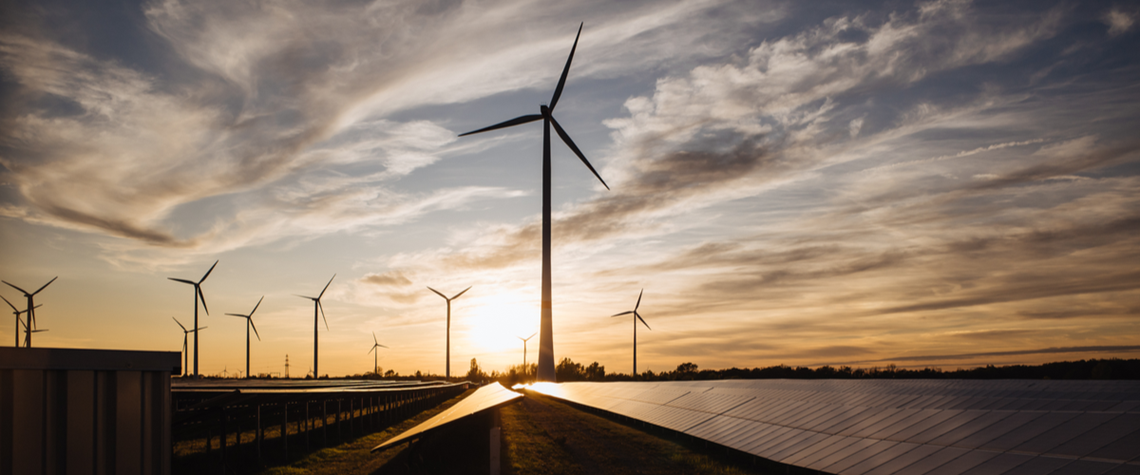
Renewable generation is projected to form 80-90pc of the global energy mix by 2050
Net-zero targets ‘inadequate’ to hit Paris goals – McKinsey
Faster shift away from fossil fuels toward efficiency, electrification and new fuels needed to keep 1.5°C pathway in sight, according to consultancy
Global warming is projected to reach 1.7°C by 2100—exceeding the goals of the Paris Agreement—even if all countries with net-zero commitments deliver on their aspirations, according to modelling in consultancy McKinsey’s Global Energy Perspective. Most major emitters have committed to net-zero goals, but more will need to be done in the near-term if the world is to stay within reach of the 1.5°C pathway laid out in Paris. “To keep the 1.5°C pathway in sight, even more ambitious acceleration is needed,” says Christer Tryggestad, senior partner at McKinsey. This means a faster shift away from fossil fuels toward efficiency, electrification and new fuels over the next few years. The report echo

Also in this section
1 April 2026
Emerging industry must work with policymakers to convince a broader pool of investors to buy into its long-term potential
12 March 2026
Role of world’s largest carbon cap-and-trade market under scrutiny as war in Iran threatens to drive EU energy costs to unsustainable levels
10 March 2026
Europe urgently needs to bring more projects to FID, as CCS investors warn they might divert capital to faster-growing regions
9 January 2026
A shift in perspective is needed on the carbon challenge, the success of which will determine the speed and extent of emissions cuts and how industries adapt to the new environment