SAF offers an immediate route to lower aviation emissions
Sustainable aviation fuels face headwinds
Limited financing and competition for feedstocks among challenges for fuel, which can be dropped in without need for retrofits, aviation sector executives say
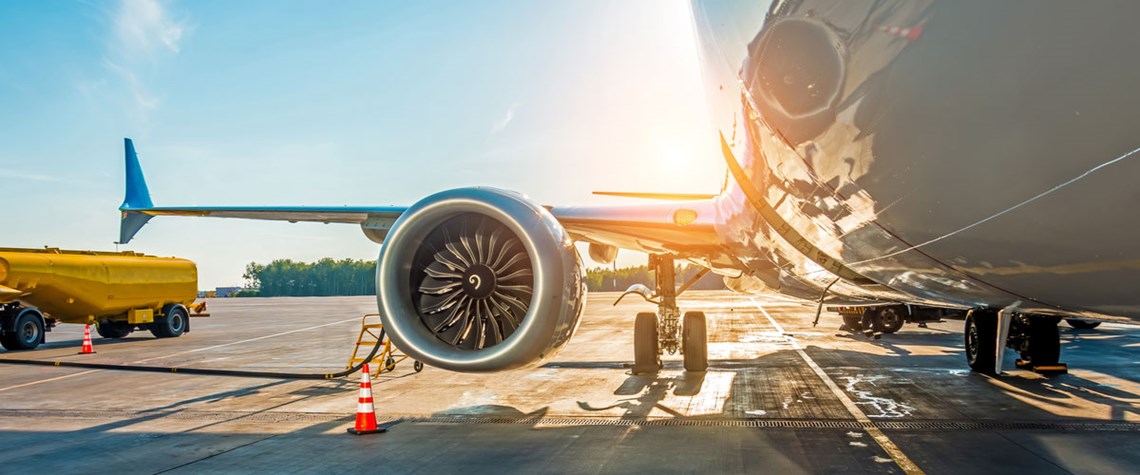
Sustainable aviation fuels (SAFs) have potential as an immediate solution to help the aviation sector decarbonise more quickly, but producers needs to overcome barriers such as limited financing, scaling up production projects and competition for feedstocks. Aviation is regarded as one of the most difficult sectors from which to reduce CO₂ emissions as flying is energy-intensive and no cost-competitive technological option is available to reduce emissions at scale. Zero-emission flight technologies such as battery-electric and hydrogen-fuelled aircraft are in the early stages of development but are decades away from commercialisation and may have a limited range. SAF is one of the short-term

Also in this section
1 April 2026
Emerging industry must work with policymakers to convince a broader pool of investors to buy into its long-term potential
12 March 2026
Role of world’s largest carbon cap-and-trade market under scrutiny as war in Iran threatens to drive EU energy costs to unsustainable levels
10 March 2026
Europe urgently needs to bring more projects to FID, as CCS investors warn they might divert capital to faster-growing regions
9 January 2026
A shift in perspective is needed on the carbon challenge, the success of which will determine the speed and extent of emissions cuts and how industries adapt to the new environment