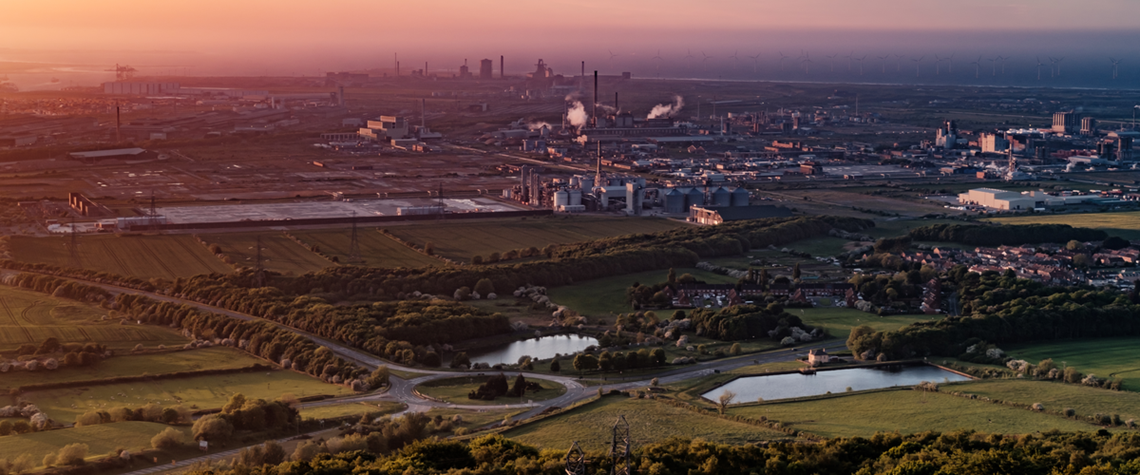
BP is planning a blue hydrogen project on Teesside
East Coast and HyNet win CCS funding
Both feature blue hydrogen in their plans to develop low-carbon clusters to cut industry emissions
The UK’s HyNet North West and East Coast Cluster have been confirmed as the first low-carbon clusters that will receive state funding to develop blue hydrogen projects. As part of a ten-point plan outlined in December, the UK announced it would provide £1bn ($1.4bn) to support the development of industrial carbon capture, utilisation and storage (CCUS) clusters around the country. Two industrial clusters will be established by the mid-2020s in the first phase, with a further two by 2030 in the second. Combined, the two phases will capture 10mn t CO₂/yr from industry and inject them into storage sites. Seven industrial clusters were originally competing for funding: Scotland’s Acorn CCS; Zero

Also in this section
1 April 2026
Multiple projects have been scrapped and valuations have nosedived, but the IEA says hydrogen is no passing fad
25 March 2026
The Middle East energy shock has highlighted the value of France’s unique potential to deploy nuclear-powered electrolysers
18 March 2026
The second fossil-fuel price shock in four years can be a much-needed catalyst for investment in the sector
9 March 2026
Hydrogen has not stalled in the UK because the technology does not work. The problem is that the system around it does not yet move at the speed required