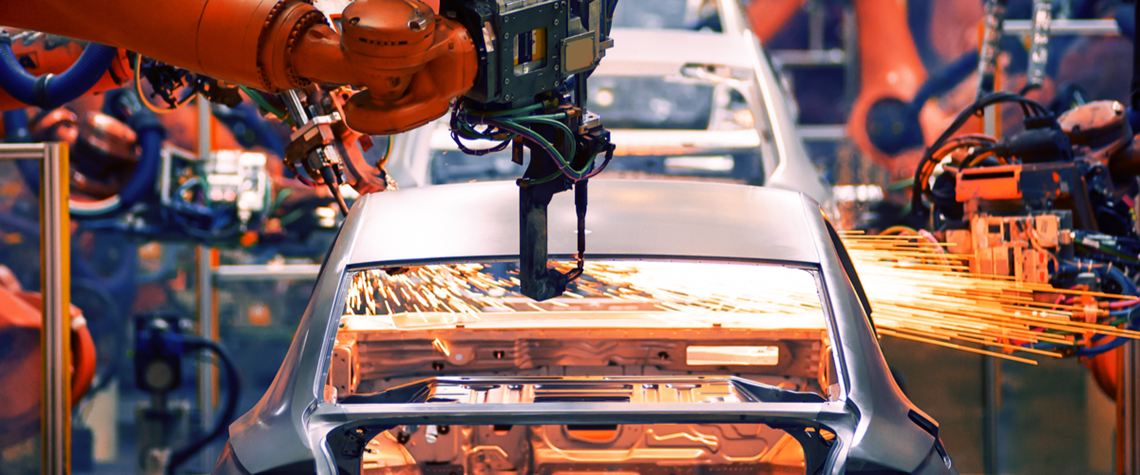
Automakers have grappled with steel costs for decades
Auto sector’s green steel ambitions hinge on location
First delivery to Volvo highlights industry’s appetite for green steel—but the rise of electric vehicles is likely to impact overall demand
Chinese-owned automaker Volvo took delivery of its first shipment of green steel in August in a landmark development for industry. The steel was produced in northern Sweden, using technology based on green hydrogen from low-carbon electrolysis in a joint venture between an electrical utility, an iron ore miner, and a steelmaker. Small in volume and expensive, the unique product is a proof-of-concept for decarbonizing steel—one of the hardest-to-abate sectors. Global steel production accounts for 7-8pc of total global emissions. But the challenge for the auto industry and the steelmakers supplying them will be identifying the locations where electrolysis from renewables can come together easi

Also in this section
1 April 2026
Multiple projects have been scrapped and valuations have nosedived, but the IEA says hydrogen is no passing fad
25 March 2026
The Middle East energy shock has highlighted the value of France’s unique potential to deploy nuclear-powered electrolysers
18 March 2026
The second fossil-fuel price shock in four years can be a much-needed catalyst for investment in the sector
9 March 2026
Hydrogen has not stalled in the UK because the technology does not work. The problem is that the system around it does not yet move at the speed required