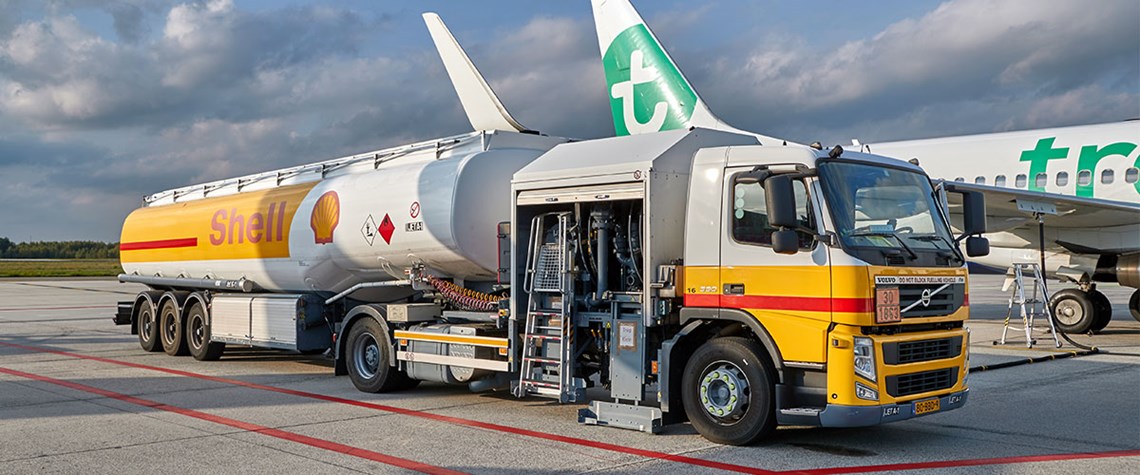
Shell aims to scale up SAF production capacity
SAF ‘most viable solution’ for aviation in short term – Shell
The oil major aims to scale up SAF production in effort to decarbonise aviation, with hydrogen a potential fuel for larger aircraft or SAF feedstock in long-term
Aviation is cited as one of the hard-to-abate sectors, where options for reducing emissions with current technology are limited. Jan Toschka, president of Shell Aviation, shares his view on the most viable opportunities for decarbonising aviation in the near-term and how hydrogen may play a role in the future. What are some of the key challenges to developing ‘zero carbon’ aviation technology? Are certain technologies more suited for domestic versus long-haul flights? Toschka: To meet net-zero emissions in aviation, we need to explore every avenue available to us. At Shell, this involves supporting innovative R&D that helps develop new aviation solutions. “It is important to develo

Also in this section
1 April 2026
Multiple projects have been scrapped and valuations have nosedived, but the IEA says hydrogen is no passing fad
25 March 2026
The Middle East energy shock has highlighted the value of France’s unique potential to deploy nuclear-powered electrolysers
18 March 2026
The second fossil-fuel price shock in four years can be a much-needed catalyst for investment in the sector
9 March 2026
Hydrogen has not stalled in the UK because the technology does not work. The problem is that the system around it does not yet move at the speed required