Steel sector needs to decarbonise
Hydrogen not only option for abating steel
Alternatives including CCS and biochar may offer steelmakers cheaper decarbonisation options, analyst Michael Liebreich says
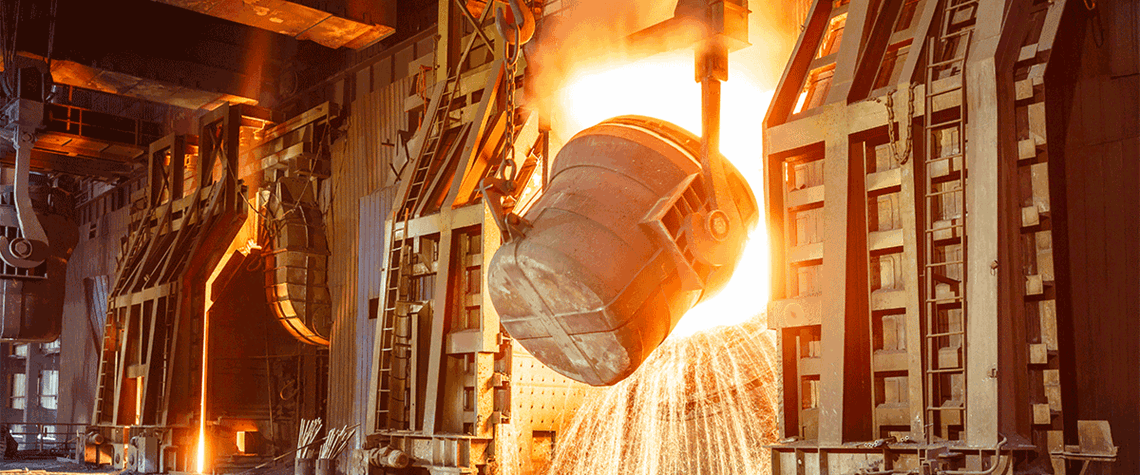
Steelmakers are increasingly turning to hydrogen as a potential way to decarbonise, but it is often the most expensive option and should be weighed against at least four other viable ways to reduce emissions, says Michael Liebreich, CEO of Liebreich Associates. Multiple steelmakers are exploring the use of low-carbon hydrogen as a replacement for coking coal in the reduction of iron ore. Green steel and iron production could account for 40pc of total industrial hydrogen demand by 2050, oil major BP says in its latest Energy Outlook report. But the steel industry should also consider the use of CCS, carbon offsets, direct electric reduction and “biochar”—coking coal from biological sources—Li

Also in this section
1 April 2026
Multiple projects have been scrapped and valuations have nosedived, but the IEA says hydrogen is no passing fad
25 March 2026
The Middle East energy shock has highlighted the value of France’s unique potential to deploy nuclear-powered electrolysers
18 March 2026
The second fossil-fuel price shock in four years can be a much-needed catalyst for investment in the sector
9 March 2026
Hydrogen has not stalled in the UK because the technology does not work. The problem is that the system around it does not yet move at the speed required