


Newsletters | Request Trial | Log in | Advertise | Digital Issue   |   Search
  • Upstream
  • Midstream & Downstream
  • Gas & LNG
  • Trading & Markets
  • Corporate & Finance
  • Geopolitics
  • Podcasts
Search
Related Articles
Letter from London: The oil market should panic tomorrow
Emergency oil stocks provide a last line of defence to oil market shocks, so the IEA’s unprecedented 400m bl release represents something of a double-edged sword
Letter from Dubai: A safe haven under fire
Missiles over Dubai and disruption in Hormuz are testing the emirate’s reputation—and shaking the energy hub at the centre of the Gulf economy
The diesel crisis
By shutting the Strait of Hormuz, Iran has cut exports of distillate-rich Middle Eastern crude, jet fuel and diesel, and is holding the energy market hostage
Explainer: Fujairah on high alert
With the Strait of Hormuz effectively closed following US-Israel strikes and Iran’s retaliatory escalation, Fujairah has become the region’s critical pressure release valve—and is now under serious threat
Middle East oil vulnerabilities have been exposed
The killing of Iran’s Supreme Leader Ayatollah Khamenei in US–Israeli strikes marks the most serious escalation in the region in decades and a bigger potential threat to the oil market than the start of the Russia-Ukraine crisis
How Hormuz chokehold threatens LNG buyers
A potential blockade of the Strait of Hormuz following the escalating US-Iran conflict risks disrupting Qatari LNG exports that underpin global gas markets, exposing Asia and other markets to sharp price spikes, cargo shortages and renewed reliance on dirtier fuels
Letter from the Middle East: Aramco provides big global gas reveal
The Saudi energy leader’s announcement of first production at Jafurah and the launch of operations at the Tanajib Gas Plant marks a turning point not just for the company, but for the world’s energy landscape
Letter from Iran: Testing times for Tehran-Beijing crude dynamics
Growing pressure from the Trump administration continues to threaten a resilient China-Iran oil nexus
Kuwait: Global reach, petroleum heart
As KPC deepens international partnerships, expands capacity and builds on breakthrough offshore success, Shaikh Nawaf S. Al Sabah says oil interdependence—not self sufficiency—will define the energy system for decades to come
Letter from Saudi Arabia: Big oil meets big shovel
As Saudi Arabia pushes mining as a new pillar of its economy, Saudi Aramco is positioning itself at the intersection of hydrocarbons, minerals and industrial policy
Saudi Aramco Saudi Arabia Iran UAE Kuwait Iraq
Gerald Butt
21 September 2017
Follow @PetroleumEcon
Forward article link
Share PDF with colleagues

Middle East NOCs under pressure

Moves to privatise state energy firms in the Middle East have begun, but progress will be slow and patchy

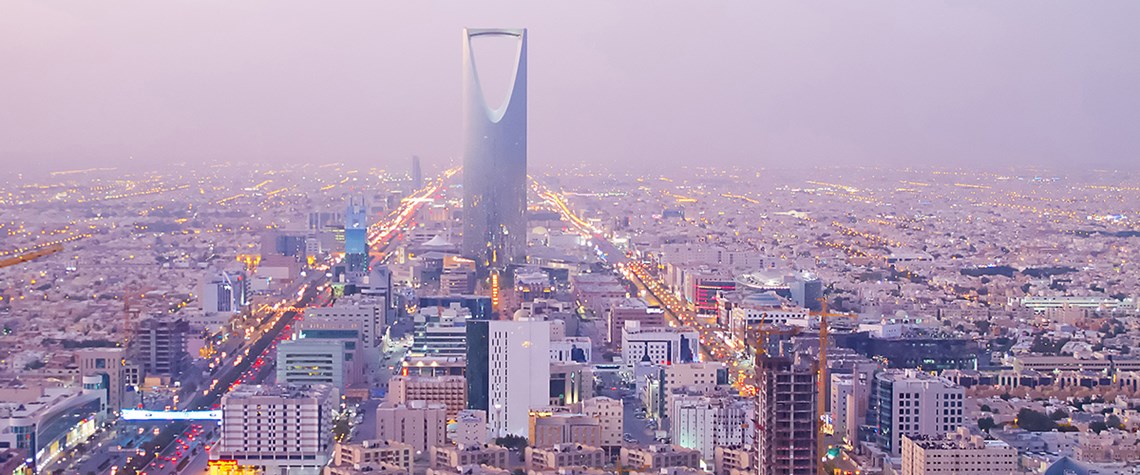
The details of exactly where and how it's to happen are still keenly awaited. But already the planned initial public offering (IPO) of 5% of Saudi Aramco, the kingdom's giant energy firm, is grabbing all the headlines. International banks and law firms are tripping over each other as they jostle to become part of the action. The Aramco sale is an integral element in Vision 2030, the plan drawn up by Mohammed bin Salman, when he was deputy crown prince, to wean Saudi Arabia off its dependence on oil and boost the private sector. While unveiling the strategy in April 2016 he suggested that the company was worth $2 trillion to $3 trillion, meaning that the IPO could raise as much as $150bn. Alt

Also in this section
Middle East chaos creates new oil and gas trends
23 March 2026
A complex and sometimes contradictory web of factors that include unpredictable oil prices, the globalisation of LNG markets, the expansion of Middle Eastern sovereign capital and the growth of datacentre demand will shape the energy landscape beyond 2026
The key arteries of the energy world
23 March 2026
The Strait of Hormuz crisis highlights how key waterways can become global chokepoints
A bigger and longer crisis
20 March 2026
Attacks on key oil and LNG assets across the Gulf mean a prolonged supply disruption, with damage to Qatar’s export capacity undermining confidence in the global gas system
How Russia gains from the Hormuz supply shock
20 March 2026
The US may be systemically stripping Russia of key geopolitical allies, but Moscow can reap rewards from the Hormuz crisis, both in the short and long term

Share PDF with colleagues

COPYRIGHT NOTICE: PDF sharing is permitted internally for Petroleum Economist Gold Members only. Usage of this PDF is restricted by <%= If(IsLoggedIn, User.CompanyName, "")%>’s agreement with Petroleum Economist – exceeding the terms of your licence by forwarding outside of the company or placing on any external network is considered a breach of copyright. Such instances are punishable by fines of up to US$1,500 per infringement
Send

Forward article Link

Send
Sign Up For Our Newsletter
Project Data
Maps
Podcasts
Social Links
Featured Video
Home
  • About us
  • Subscribe
  • Reaching your audience
  • PE Store
  • Terms and conditions
  • Contact us
  • Privacy statement
  • Cookies
  • Sitemap
All material subject to strictly enforced copyright laws © 2025 The Petroleum Economist Ltd
Cookie Settings
;

Search
