


LNG gluts and cycles
Structural oversupply is about to hit the market and some projects will have to curtail output to cope. But buyers and developers must take a longer-term view
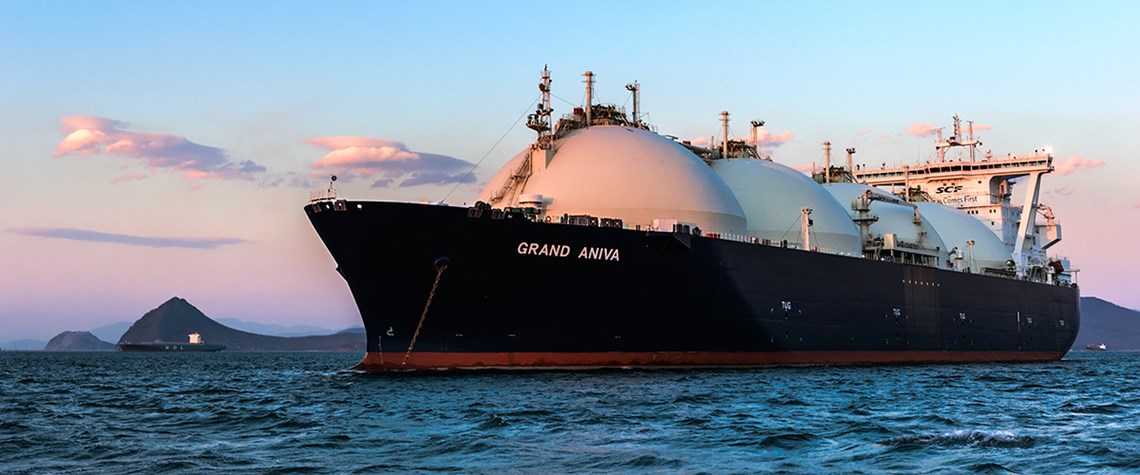
What a ride. Since liquefied natural gas (LNG) hit giddy highs a few years back, prices have collapsed from the high teens to levels around $5 to $6 per million British thermal units. This has been driven by low oil prices, rather than an oversupply of LNG. But now comes an era of structural LNG oversupply, which will see spot prices remain depressed through to early next decade, even if oil prices rise. Established LNG producers and buyers, as well as new industry entrants, are having to adapt to the largest, steepest, most prolonged drop in prices the LNG industry has ever faced. Plenty of LNG capacity, now under construction, is about to come online without demand to meet it. Global LNG s

Also in this section
23 April 2026
The addition of an oil pipeline to the Power of Siberia 2 gas project could ensure deliveries of Russian oil to China, materially shorten logistics lines between West Siberia and final customers, and—amid disruption in the Strait of Hormuz—offer a land-based export route that reduces exposure to maritime chokepoints
23 April 2026
There is a clear push to bolster exports to Asia amid uncertainty around its North American neighbour, but there are limits to the benefits from the energy crisis
23 April 2026
Shell made the play-opening discovery in Namibia’s Orange basin back in 2022, but its next well could decide whether the project can actually be commercialised
22 April 2026
The failure of OMV Petrom’s keenly watched exploration campaign at Bulgaria’s Han Asparuh block highlights the Black Sea’s uneven track record, despite major successes like Neptun Deep and Sakarya


