


Financing marine LNG
With the deadline for IMO regulations approaching, the industry is closely evaluating the business case for liquefied natural gas
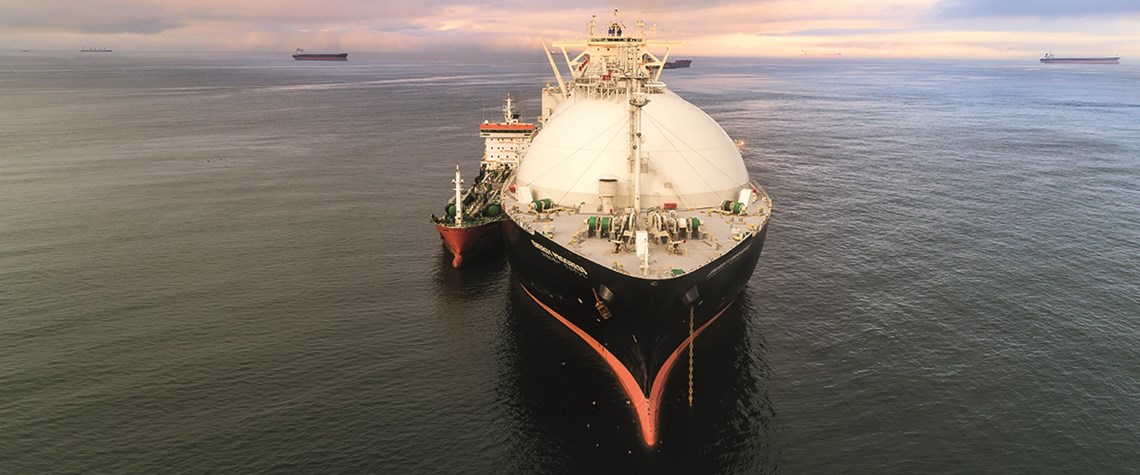
LNG has long featured as a means to an end: a way of transporting natural gas from source to markets. But it was only in 2000 that a Norwegian ferry, the Glutra, entered service as the first non-LNG carrier vessel to be powered itself by the fuel. Since then, the fleet has grown significantly. As the idea of LNG-fuelled ships has gained traction, financial officers and accountants at shipping firms around the globe have had to crunch the numbers to see how it might work for them. Industry officials believe a blend of regulation, reputational issues, logistics and economics will drive further growth of the market for LNG as a marine fuel. But in the immediate aftermath of the introduction of

Also in this section
13 April 2026
Petroleum Economist analysis highlights sharp shift from crude oversupply to market deficit, with Iraq and Kuwait badly affected and key producers Saudi Arabia and the UAE also seeing output sharply lower
13 April 2026
Turkmenistan is moving ahead with a modest expansion of the giant Galkynysh field to sustain gas deliveries abroad, but persistent delays to other key pipeline projects and geopolitical risks continue to constrain its export ambitions
13 April 2026
Expensive electricity has forced out swathes of energy-intensive industry and now threatens the country’s ability to attract future investment in datacentres and the digital economy
13 April 2026
For GCC producers, the ceasefire may prove more destabilising than the war itself: exports remain constrained, and control over Hormuz has shifted in ways that could endure


