


LNG: lots today, even more tomorrow
Vast amounts of export capacity are coming on stream, so it's just as well that demand looks set to keep growing
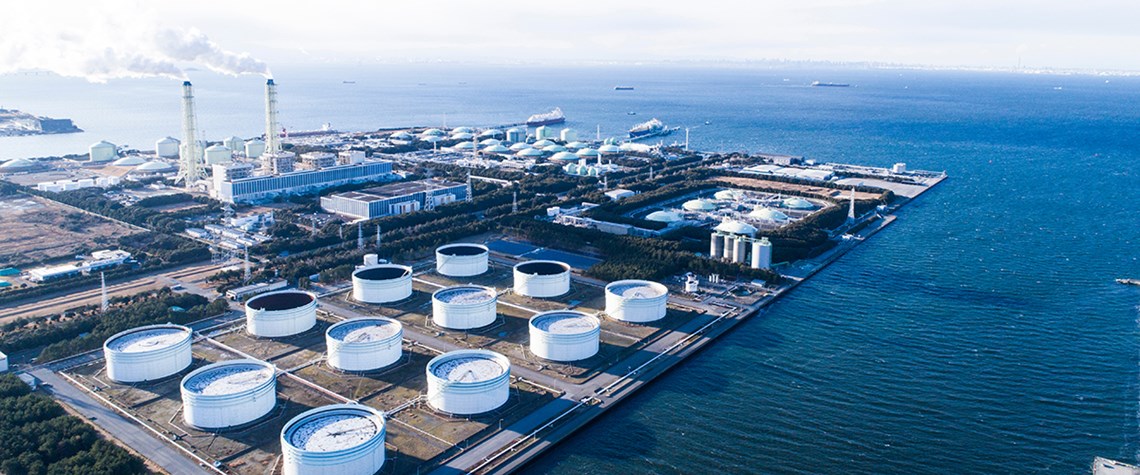
The liquefied natural gas revolution is well and truly upon us. Global export capacity stands at around 290m tonnes a year, with a staggering 60m t/y of that added since early 2016 and a further 80m t/y due over the next couple of years. Australia is set to overtake Qatar as the world's largest LNG exporter next year, when Shell's Prelude floating LNG project and Inpex and Total's Ichthys facility reach full capacity. But now Qatar is back in the race, ending its long-standing moratorium on building new export capacity and fighting for its share of a fast-expanding market. Doha has lined up three new trains, which should take export capacity to 100m t/y from 77m t/y by 2023. Canny timing, it

Also in this section
2 April 2026
Alongside a rapid continued build-out of renewables, China’s latest five-year plan stresses the value of domestic hydrocarbon production for energy security and calls for increased Russian gas imports
2 April 2026
The government is taking important steps to revive domestic production, lift investment and benefit from the geopolitical crisis even if more needs to be done in the longer term
1 April 2026
Golden Pass’s startup offers QatarEnergy a timely boost but may also force a difficult choice between honouring disrupted contracts and capitalising on soaring spot LNG prices
1 April 2026
It is not a case of if or when, but the length and magnitude of economic damage from elevated oil prices


