


Middle East LNG imports set to soar
Gas shortages will prompt expansion in regional demand for liquefied natural gas
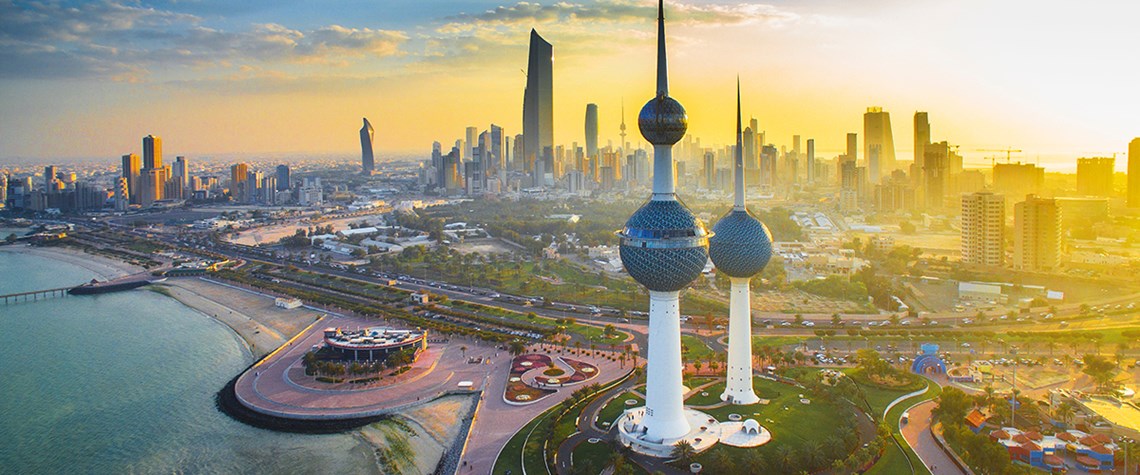
Between 2014 and 2016, LNG imports in the Middle East more than doubled, from 4.1m tonnes a year to 9.9m t/y. Growth is expected to continue accelerating, with another near-doubling by 2020, according to some estimates. The region certainly has sufficient regasification capacity to make that possible. The projects already in operation—all of which are floating storage and regasification units (FSRU)—have a combined capacity of some 24m t/y. Projects in advanced stages of planning could add another 15-18m t/y by the early 2020s. The region's list of LNG importers already includes Kuwait, the United Arab Emirates, Israel and Jordan. Bahrain is expected to join them by end-2018 or early next ye

Also in this section
2 April 2026
Alongside a rapid continued build-out of renewables, China’s latest five-year plan stresses the value of domestic hydrocarbon production for energy security and calls for increased Russian gas imports
2 April 2026
The government is taking important steps to revive domestic production, lift investment and benefit from the geopolitical crisis even if more needs to be done in the longer term
1 April 2026
Golden Pass’s startup offers QatarEnergy a timely boost but may also force a difficult choice between honouring disrupted contracts and capitalising on soaring spot LNG prices
1 April 2026
It is not a case of if or when, but the length and magnitude of economic damage from elevated oil prices


