


Newsletters | Request Trial | Log in | Advertise | Digital Issue   |   Search
  • Upstream
  • Midstream & Downstream
  • Gas & LNG
  • Trading & Markets
  • Corporate & Finance
  • Geopolitics
  • Podcasts
Search
Related Articles
Europe’s LNG rethink
Europe’s focus has shifted from pipeline dependence to price discipline, with the newfound flexibility and greater security coming at a higher cost, panellists said at LNG2026
Letter from London: Shell’s unshakeable faith in LNG
Oil and gas major unconcerned by potential supply glut as it bets on growing demand in transport and other sectors, and on the fuel’s long-term role as a ‘stabilising force’ for future energy systems
LNG buyer strategies in the age of volatility
Panellists from three LNG buyers at LNG2026 in Doha outlined their evolving procurement strategies as they navigate heightened market volatility
Libya looks to maximise gas opportunity
North African producer plans to boost output by early 2030, with Europe its number one priority as export destination
LNG shipping needs freedom to evolve
Maritime leaders at LNG2026 warned of the dangers of over-regulation on competitiveness, sustainability and innovation
QatarEnergy and JERA enter new LNG chapter
The long close relationship between key supplier Qatar and pivotal buyer Japan becomes even deeper following new landmark deal 
Evolving partnerships in LNG
Partnerships across the LNG value chain have evolved over time, growing in both complexity and importance, according to panellists at LNG2026
LNG in 2026: What factors to watch
Petroleum Economist examines the critical developments that look set to govern the course of the LNG market for this year
LNG2026 Show Daily: Day 4
Catch up on the highlights of the LNG2026 conference in Doha, Qatar, with the latest show daily
Lower-carbon world cannot happen without LNG
Energy leaders at LNG2026 in Doha emphasise that, with addition rather than transition driving consumption needs, LNG will play a necessary and complementary role for the foreseeable future
LNG Netherlands Germany
Peter Ramsay
27 August 2019
Follow @PetroleumEcon
Forward article link
Share PDF with colleagues

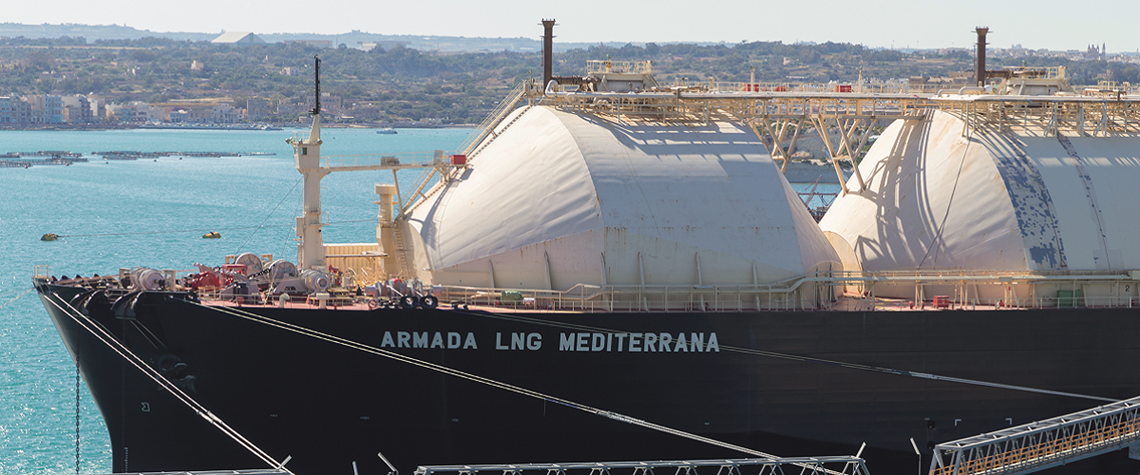
European LNG projects target supply security

New import facilities progressing despite spare capacity in existing infrastructure

Europe's LNG receiving capacity, across ten countries from Lithuania to Greece, has experienced usage levels this year unprecedented in well over a decade, as a global LNG supply glut finds the continent a home of last resort. But, despite the significant uptick in deliveries, Europe's terminals are far from full. Why, then, do new projects in Germany, Ireland and Croatia continue to progress when there is ullage in neighbouring countries' facilities and in pipelines that can, and indeed already do, bring regasified molecules into these countries' grids? At the end of July, the European Commission ruled that Croatia's plans to contribute €100mn in state funds—and also levy a ‘security of sup

Also in this section
Europe’s LNG rethink
12 February 2026
Europe’s focus has shifted from pipeline dependence to price discipline, with the newfound flexibility and greater security coming at a higher cost, panellists said at LNG2026
Letter from London: Shell’s unshakeable faith in LNG
Opinion
12 February 2026
Oil and gas major unconcerned by potential supply glut as it bets on growing demand in transport and other sectors, and on the fuel’s long-term role as a ‘stabilising force’ for future energy systems
LNG buyer strategies in the age of volatility
11 February 2026
Panellists from three LNG buyers at LNG2026 in Doha outlined their evolving procurement strategies as they navigate heightened market volatility
Libya looks to maximise gas opportunity
11 February 2026
North African producer plans to boost output by early 2030, with Europe its number one priority as export destination

Share PDF with colleagues

COPYRIGHT NOTICE: PDF sharing is permitted internally for Petroleum Economist Gold Members only. Usage of this PDF is restricted by <%= If(IsLoggedIn, User.CompanyName, "")%>’s agreement with Petroleum Economist – exceeding the terms of your licence by forwarding outside of the company or placing on any external network is considered a breach of copyright. Such instances are punishable by fines of up to US$1,500 per infringement
Send

Forward article Link

Send
Sign Up For Our Newsletter
Project Data
Maps
Podcasts
Social Links
Featured Video
Home
  • About us
  • Subscribe
  • Reaching your audience
  • PE Store
  • Terms and conditions
  • Contact us
  • Privacy statement
  • Cookies
  • Sitemap
All material subject to strictly enforced copyright laws © 2025 The Petroleum Economist Ltd
Cookie Settings
;

Search
