


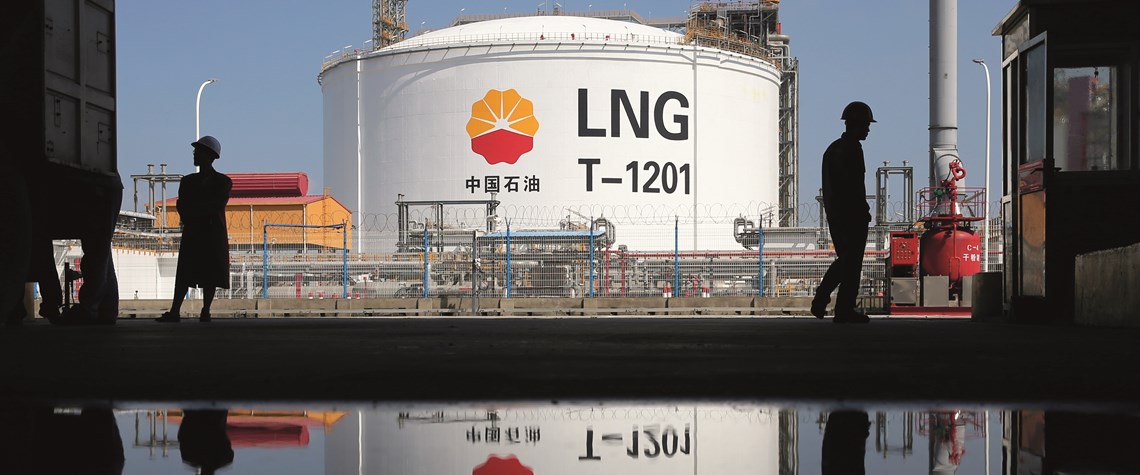
The LNG wave is on the way
Liquefaction ramp-ups and a slowing rate of Chinese demand growth finally deliver the oft-anticipated supply glut
Europe's LNG terminals are set to be over 60pc busier in January 2019 compared to the same month last year. Australian, Russian and US supply has stepped up, and Asia is working through a backlog of fourth-quarter oversupply after mild weather. But is this just a temporary blip or finally the arrival of the widely predicted but much delayed "wave" that would send the global LNG markets into oversupply? Analysts are in a broad agreement that it is the latter. According to Paris-headquartered Kpler, one of the market-leading LNG cargo analysts, Europe will receive 5.8mn t of LNG in January, based on observed arrivals and anticipated ship movements until the end of the month, up by 2.2mn t from

Also in this section
14 April 2026
The GECF has warned it may revise its projections for demand this year downwards in light of conflict in the Middle East, although it maintains its forecasts for 2027 and onwards
13 April 2026
Petroleum Economist analysis highlights sharp shift from crude oversupply to market deficit, with Iraq and Kuwait badly affected and key producers Saudi Arabia and the UAE also seeing output sharply lower
13 April 2026
Turkmenistan is moving ahead with a modest expansion of the giant Galkynysh field to sustain gas deliveries abroad, but persistent delays to other key pipeline projects and geopolitical risks continue to constrain its export ambitions
13 April 2026
Expensive electricity has forced out swathes of energy-intensive industry and now threatens the country’s ability to attract future investment in datacentres and the digital economy


