


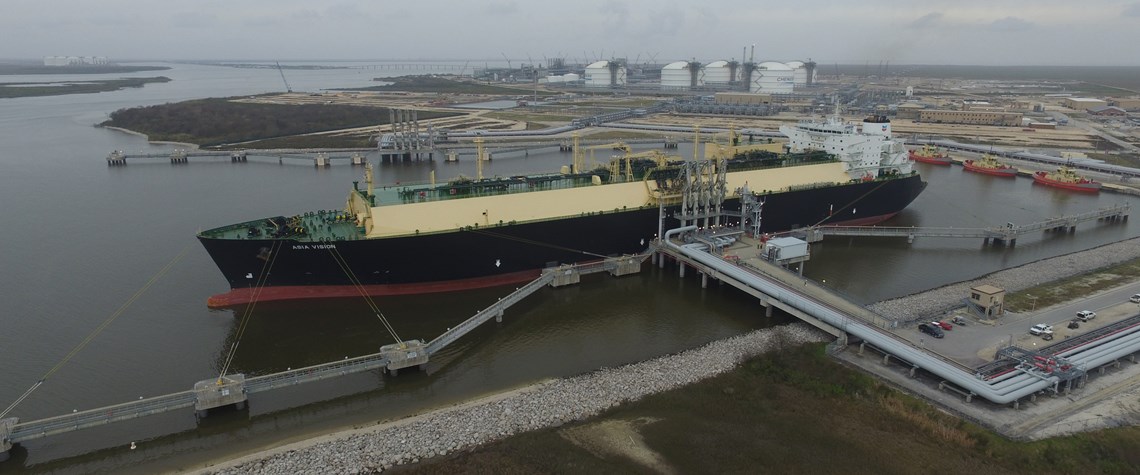
US LNG's second wave
More US LNG export projects are nearing a green light just as earlier developments debut
The first quarter of 2019 seemed a counterintuitive time for enthusiasm over US liquefaction FIDs. Asian LNG prices were depressed. Trade tensions lingered between the United States and China. More US liquefaction projects were about to come onstream, bringing even more volume to sea. So, with all that as a backdrop, why the enthusiasm? "It all starts with demand," says Ben Nolan, an analyst at investment bank Stifel. "There had been an expectation that it was going to take a while for the market to absorb all the new liquefaction capacity, but over the last few years, the market has more than absorbed it. Three or four years ago, the expectation was that there would be ample LNG supply unti

Also in this section
16 April 2026
Demand for oil is falling because supply cannot meet it, not because it is no longer required
16 April 2026
The continent has an immediate opportunity to make the most of its energy resources by capturing gas that is currently slipping away
15 April 2026
The continent is seeing political pushback to climate plans, corporate reassessment of transition goals and rising supply risk in a fractured global order
15 April 2026
The Middle East energy crisis may turn out to be pivotal to the industry’s long-term expansion, but significant challenges still stand in its way


