


Allowing LNG to boost liquidity
New European terminals can play a vital role in an era of pipeline gas decline, but only if they provide genuine flexibility for all
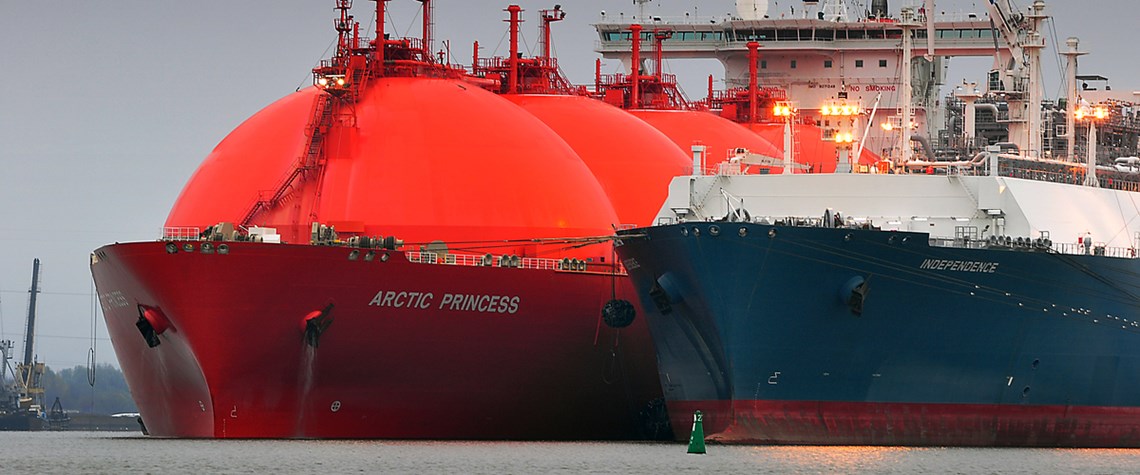
Covid-19’s first wave showed exactly how integrated LNG has become into the liquid gas hubs of northwest Europe. When Asia started to cancel cargos as national lockdowns crushed demand, these volumes were rerouted to Europe, where they served to ‘top up’ US exports also delivering into LNG’s market of last resort. The resultant oversupply sent strong bearish price signals. But, as the benchmark TTF price plunged by early June, the US cancelled a swathe of cargos, supply was curtailed and—as demand recovered—TTF surged by over 60pc over the last few months. “With LNG import capacity increasing Europe’s supply options, the gas market in an ‘Energy Union’ case can build up its resilience to sup

Also in this section
24 March 2026
It is an unusual story of out with the new and in with the old, as America First Refining shows the US going back to trusted energy security developments
23 March 2026
A complex and sometimes contradictory web of factors that include unpredictable oil prices, the globalisation of LNG markets, the expansion of Middle Eastern sovereign capital and the growth of datacentre demand will shape the energy landscape beyond 2026
23 March 2026
The Strait of Hormuz crisis highlights how key waterways can become global chokepoints
20 March 2026
Attacks on key oil and LNG assets across the Gulf mean a prolonged supply disruption, with damage to Qatar’s export capacity undermining confidence in the global gas system


