


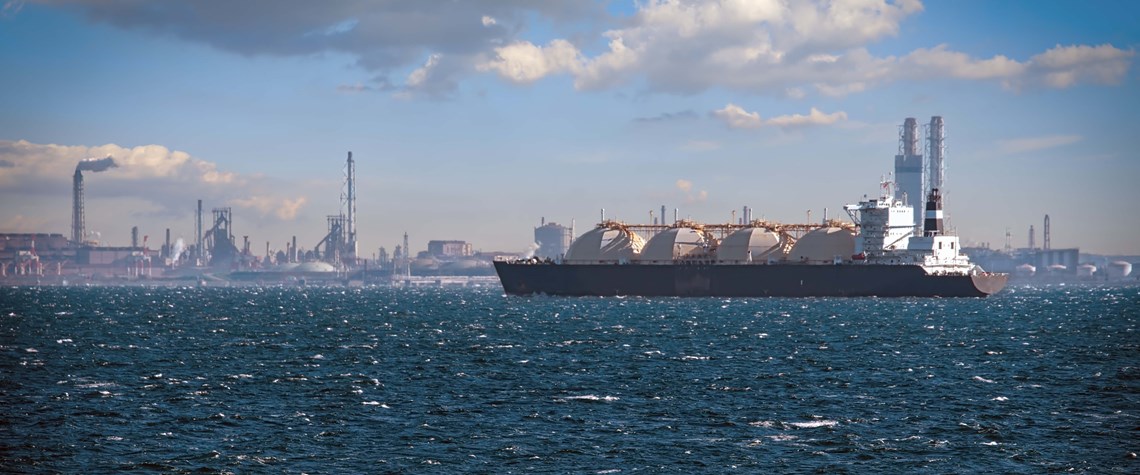
An LNG vessel in Japan’s Tokyo Bay

Gas readies for its oil moment
The growth in spot LNG is transforming gas into a globalised commodity market
A need to transact naturally leads to markets. But the very nature of the energy industry—large capital investments, long gestation periods, specificity of assets—can lead to very volatile markets, with high risk and the potential for violent boom-and-bust cycles. As a result, the industry can tend away from fledgling competitive markets and towards natural monopolies. Having one large terminal or pipeline is more efficient than having many small ones. On the flip side, monopolies can often ultimately result in lower output and higher prices. Within non-free market value chains, a government normally takes a hand in regulating prices or ensuring ‘security of supply’—and bring with them new p

Also in this section
2 April 2026
Alongside a rapid continued build-out of renewables, China’s latest five-year plan stresses the value of domestic hydrocarbon production for energy security and calls for increased Russian gas imports
2 April 2026
The government is taking important steps to revive domestic production, lift investment and benefit from the geopolitical crisis even if more needs to be done in the longer term
1 April 2026
Golden Pass’s startup offers QatarEnergy a timely boost but may also force a difficult choice between honouring disrupted contracts and capitalising on soaring spot LNG prices
1 April 2026
It is not a case of if or when, but the length and magnitude of economic damage from elevated oil prices


