


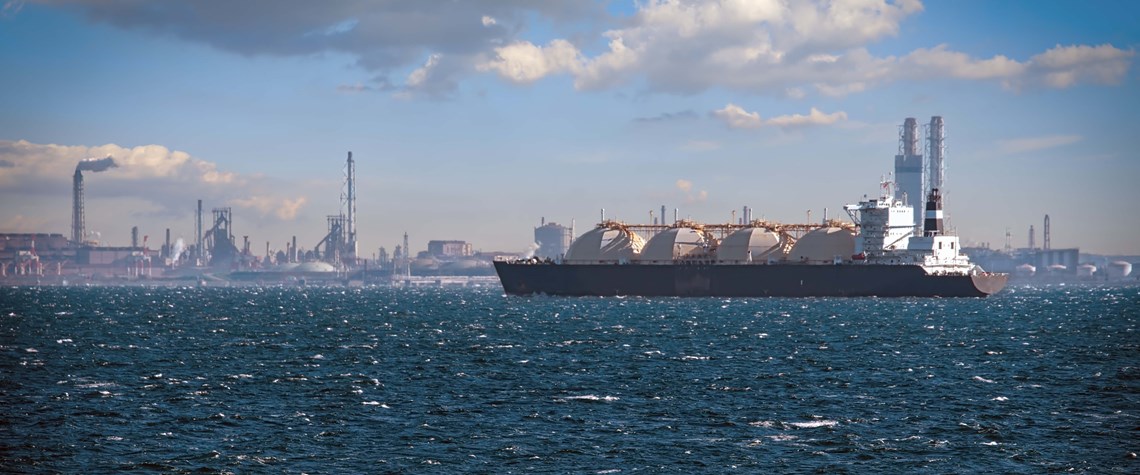
An LNG vessel in Japan’s Tokyo Bay
Gas readies for its oil moment
The growth in spot LNG is transforming gas into a globalised commodity market
A need to transact naturally leads to markets. But the very nature of the energy industry—large capital investments, long gestation periods, specificity of assets—can lead to very volatile markets, with high risk and the potential for violent boom-and-bust cycles. As a result, the industry can tend away from fledgling competitive markets and towards natural monopolies. Having one large terminal or pipeline is more efficient than having many small ones. On the flip side, monopolies can often ultimately result in lower output and higher prices. Within non-free market value chains, a government normally takes a hand in regulating prices or ensuring ‘security of supply’—and bring with them new p

Also in this section
28 April 2026
Oil traders warning of $200/bl oil are wrong, and the market should be wary of proclamations that the impact of the oil shortage has only begun to be felt and a that a ‘harsh adjustment’ is coming—even for industrialised nations
28 April 2026
Restoring supply from Saudi Arabia, the UAE, Kuwait, Qatar, Bahrain and Iraq involves complexities far beyond simply adjusting operational controls
28 April 2026
Datacentres will guzzle power at a ferocious rate, but the impact on wider energy markets will be far more complex than previously thought
28 April 2026
The key energy player faces balancing regional routes, political complexities, and creating a clear strategic vision for energy security


