


Southeast Europe bets on gas
Greece and Bulgaria plan dashes for gas to fuel cleaner energy futures
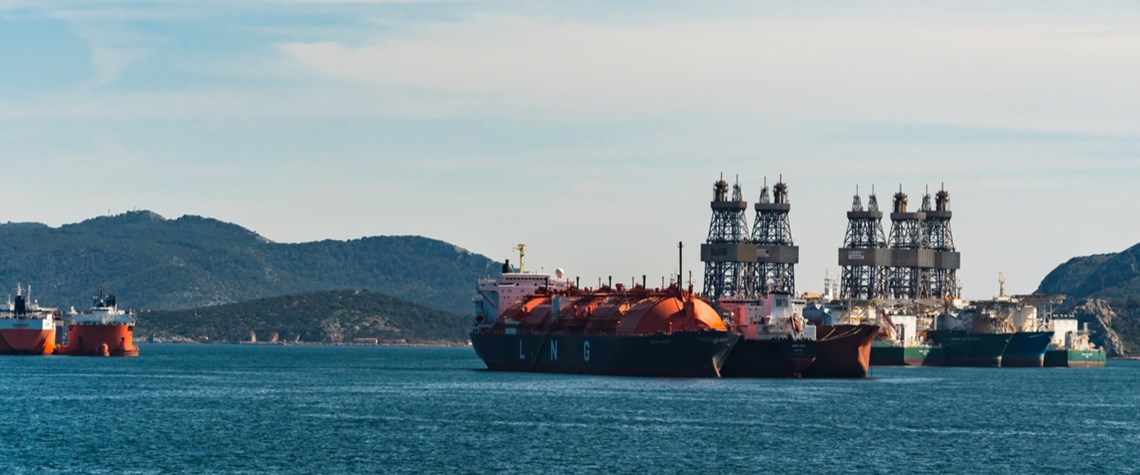
Gas is set to play a larger role in the energy mixes of southeast European neighbours Greece and Bulgaria as both countries invest in infrastructure to diversify their supply routes. The former is traditionally very dependent on coal for power generation—fuelling 34pc of output in 2018. But Greece’s 10-year national energy and climate plan (NECP) submitted to the European Commission by the country’s centre-right, pro-business Mitsotakis administration, which assumed power in July 2019, sees gas playing a bigger role in backing up the country’s renewables expansion. A target of c.4GW of coal-fired power capacity coming offline by 2023 would represent all of the country’s lignite plants curren

Also in this section
29 April 2026
The UAE’s exit from the alliance marks a decisive step towards a world in which oil markets are shaped less by collective management and more by national strategy
29 April 2026
Trafigura’s $1b prepayment agreement confirms African resource holders’ renewed interest in oil-backed financing deals as they look to capitalise on high oil prices
29 April 2026
The UAE’s departure from the oil producers’ group was a surprise to many, but the move can be traced back to a single point five years ago
28 April 2026
Oil traders warning of $200/bl oil are wrong, and the market should be wary of proclamations that the impact of the oil shortage has only begun to be felt and a that a ‘harsh adjustment’ is coming—even for industrialised nations


