


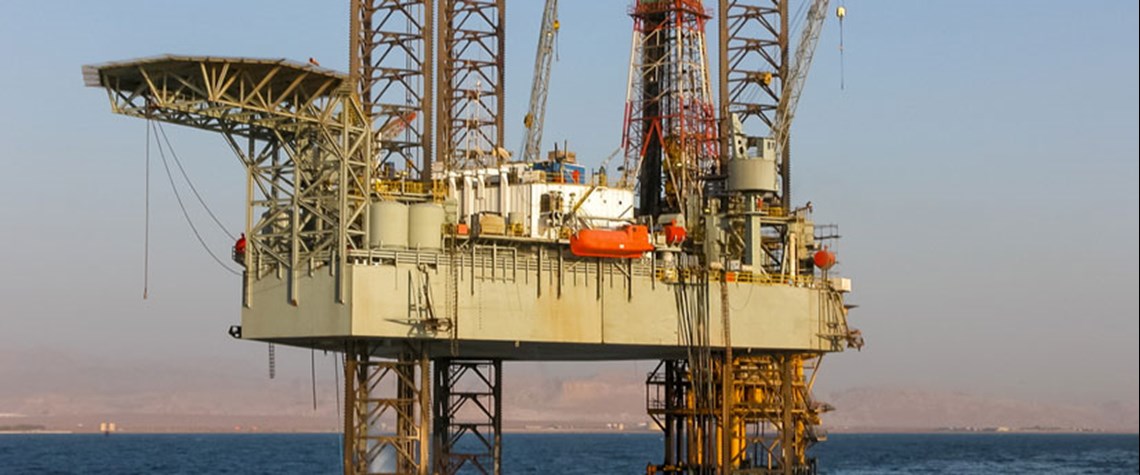
Drilling platform in the Gulf of Suez
Egypt LNG restart optimism no substitute for gas strategy
The high-profile restart of the Damietta facility has ramped up rhetoric and expectations. But it may not be as simple as that
Egyptian authorities have hailed the first cargoes from the 7.56bn m³/yr (5.3mn t/yr) Damietta plant, after almost nine years of inactivity, as a boost to the country’s profile as an LNG exporter and to its role as a potential regional hub in the East Mediterranean. But, beyond the short-term monetary benefit of LNG exports, the impact of the global pandemic on wider LNG prices and on Egypt’s finances highlights the need for a sustainable and long-term policy that integrates the country’s gas sector priorities. That must include the role and price of gas in the domestic market and economy and the need to incentivise upstream activities, as well as the benefits of LNG as a revenue source and

Also in this section
2 April 2026
Alongside a rapid continued build-out of renewables, China’s latest five-year plan stresses the value of domestic hydrocarbon production for energy security and calls for increased Russian gas imports
2 April 2026
The government is taking important steps to revive domestic production, lift investment and benefit from the geopolitical crisis even if more needs to be done in the longer term
1 April 2026
Golden Pass’s startup offers QatarEnergy a timely boost but may also force a difficult choice between honouring disrupted contracts and capitalising on soaring spot LNG prices
1 April 2026
It is not a case of if or when, but the length and magnitude of economic damage from elevated oil prices


