


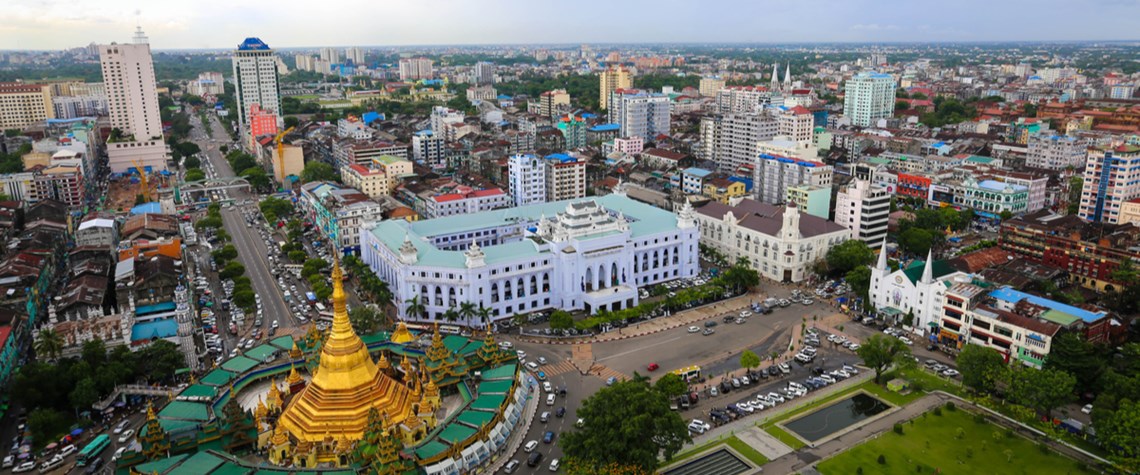
Fear of China to keep Myanmar’s LNG projects alive
Investors pulling out would create a space for Beijing to fill
The potential for China to extend its influence in Southeast Asia means Myanmar’s planned LNG projects are unlikely to become casualties of the country’s military coup. Myanmar's apparent transition to partial democracy under Aung San Suu Kyi opened the door to international investment as sanctions were lifted. However, the Ahlone and Thilawa LNG-to-power projects—in which Japanese companies have invested—could face delays as a result of reversion to military rule, consultancy Wood Mackenzie argues. Ahlone is a 388MW joint venture between Italian-Thai Development (51pc) and Japan’s Toyo Engineering (49pc), while the Thilawa project includes a 1,250MW LNG-supplied power plant and is being dev

Also in this section
28 April 2026
Oil traders warning of $200/bl oil are wrong, and the market should be wary of proclamations that the impact of the oil shortage has only begun to be felt and a that a ‘harsh adjustment’ is coming—even for industrialised nations
28 April 2026
Restoring supply from Saudi Arabia, the UAE, Kuwait, Qatar, Bahrain and Iraq involves complexities far beyond simply adjusting operational controls
28 April 2026
Datacentres will guzzle power at a ferocious rate, but the impact on wider energy markets will be far more complex than previously thought
28 April 2026
The key energy player faces balancing regional routes, political complexities, and creating a clear strategic vision for energy security


