


Newsletters | Request Trial | Log in | Advertise | Digital Issue   |   Search
  • Upstream
  • Midstream & Downstream
  • Gas & LNG
  • Trading & Markets
  • Corporate & Finance
  • Geopolitics
  • Podcasts
Search
Related Articles
Outlook 2026: South America’s oil growth story masks hidden risks
Brazil, Guyana and Argentina to lead additional crude supply increases, but the rest of the region remains patchy
Brazil could be an energy trailblazer
The oil powerhouse will not just join the top five crude exporters in the coming years, it may be a model for how petrostates balance growth, policy and sustainability
Brazil looks to solve its energy security travails
Despite significant crude projections over the next five years, Latin America’s largest economy could be forced to start importing unless action is taken
Europe enjoys temporary respite from high gas costs
More than anything else, weak Chinese gas demand is providing relief to EU consumers, but it is uncertain how long this relief will last
Brazil rides a production wave
Latin America’s largest economy expects big uptick in crude this year with the imminent arrival of several FPSOs
Hydrocarbon Processing Refining Databook 2025: Americas
The US and Canada are boosting capacity builds for renewable diesel and biofuels, while Central and South American countries are investing heavily to upgrade and expand their domestic refining sectors
Latin America’s evolving crude outlook
New supply from Argentina, Brazil and Guyana is rich in middle distillates, but optimism in terms of volume growth remains tempered by regulatory and technical risks as well as price volatility
Letter on Europe: More gas winters of discontent?
Warnings in 2022 of a potential three-winter European gas price crisis remain pertinent amid push-pull from the US and Russia
US LNG embedded in Europe's energy security quest
Geopolitical developments and market shifts mean US LNG will be a vital component in Europe's energy strategy and decarbonisation efforts
Europe has coping mechanisms for life after Russian gas
The Ukraine–Russia gas transit and interconnection agreements are due to expire at the end of this year, but despite some uncertainty, Europe seems well-prepared
Unseasonable temperatures in Europe drive recent multi-year highs in LNG prices
Europe Asia Brazil Gazprom
Simon Ferrie
24 August 2021
Follow @PetroleumEcon
Forward article link
Share PDF with colleagues

LNG prices may be set for strong Q4

Supply- and demand-side factors pushed contracts to multi-year highs in recent months and may continue to lend support going into the fourth quarter

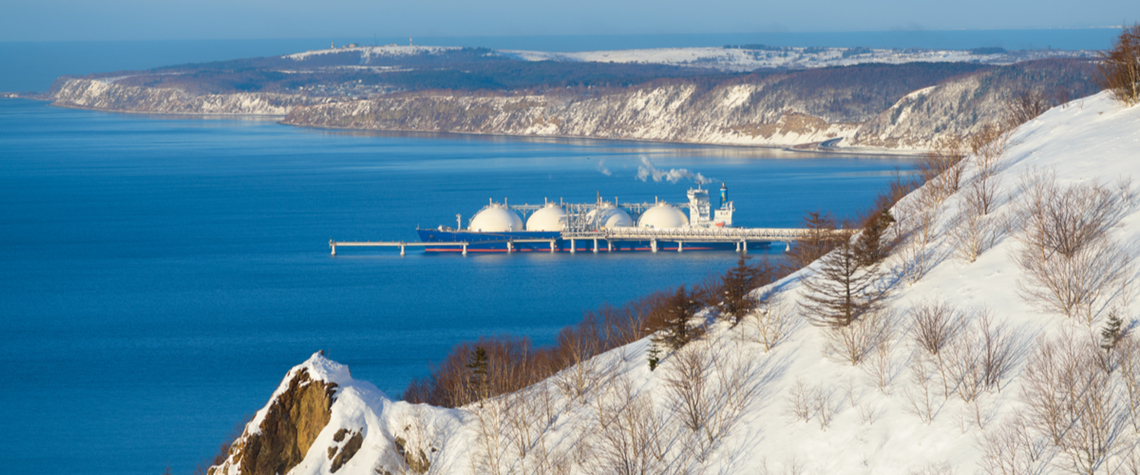
Global LNG prices have hit record levels in recent weeks as Europe and Asia continue to compete for restricted supply. But there is debate over whether prices will remain quite as high for the remainder of 2021. This year started with price spikes stemming from a combination of outages, colder-than-usual temperatures in the northern hemisphere and the blockage of the Suez Canal. This all contributed to the depletion of European gas storage, with the knock-on effect of raising global LNG demand for the rest of the year. Subsequent opportunities to rebuild stocks have been limited and prices have continued to spike in a tightly balanced market. Indeed, Europe has since experienced unseasonably

Also in this section
Explainer: Iran’s indispensable energy role
16 January 2026
The country’s global energy importance and domestic political fate are interlocked, highlighting its outsized oil and gas powers, and the heightened fallout risk
Oil’s tanker transformation
16 January 2026
The global maritime oil transport sector enters 2026 facing a rare convergence of crude oversupply, record newbuild deliveries and the potential easing of several geopolitical disruptions that have shaped trade flows since 2022
Letter from the US: The curse of strong energy exports
Opinion
15 January 2026
Rebuilding industry, energy dominance and lower energy costs are key goals that remain at odds in 2026
Venezuela mismanaged its oil, and US shale benefitted
14 January 2026
Chavez’s socialist reforms boosted state control but pushed knowledge and capital out of the sector, opening the way for the US shale revolution

Share PDF with colleagues

COPYRIGHT NOTICE: PDF sharing is permitted internally for Petroleum Economist Gold Members only. Usage of this PDF is restricted by <%= If(IsLoggedIn, User.CompanyName, "")%>’s agreement with Petroleum Economist – exceeding the terms of your licence by forwarding outside of the company or placing on any external network is considered a breach of copyright. Such instances are punishable by fines of up to US$1,500 per infringement
Send

Forward article Link

Send
Sign Up For Our Newsletter
Project Data
Maps
Podcasts
Social Links
Featured Video
Home
  • About us
  • Subscribe
  • Reaching your audience
  • PE Store
  • Terms and conditions
  • Contact us
  • Privacy statement
  • Cookies
  • Sitemap
All material subject to strictly enforced copyright laws © 2025 The Petroleum Economist Ltd
Cookie Settings
;

Search
