


Oman runs hard to stand still
The sultanate’s long-term oil ambitions are modest, but the urgent appetite for fresh gas supply remains
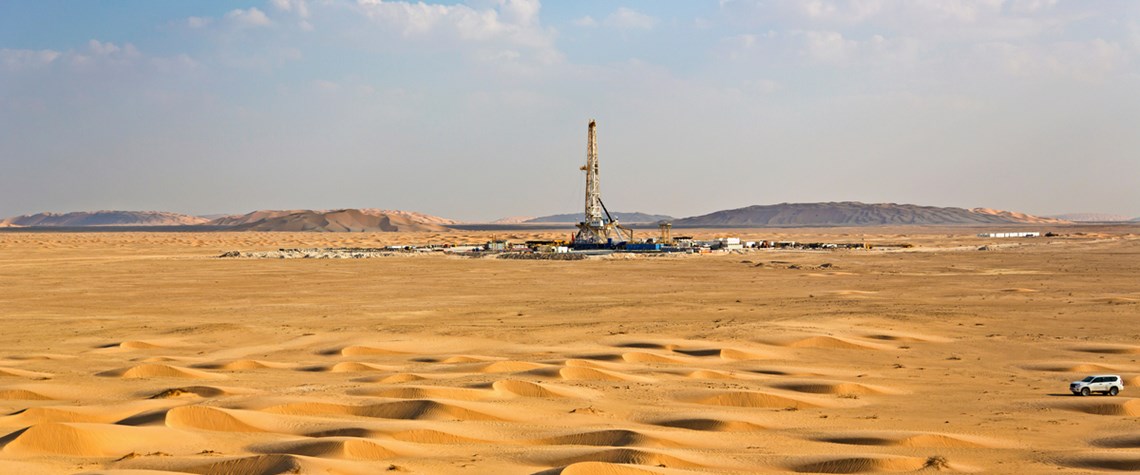
Oman’s oil sector ambitions, set out in the government’s latest five-year development plan unveiled at the turn of the year, appear modest at first glance. Production is forecast to rise next year by a relatively unspectacular 10pc, to 1.1mn bl/d, and stay there until mid-decade. But this-near stasis is, in fact, hard-won—a mark of success in the constant battle to staunch and offset declines at the country’s maturing main fields. Meanwhile, the pacey industrial growth that forms a key plank of the country’s economic roadmap requires continued development of domestic gas resources to ease a precarious supply/demand balance. Economics challenge While modest oil output increments are targeted,

Also in this section
24 March 2026
It is an unusual story of out with the new and in with the old, as America First Refining shows the US going back to trusted energy security developments
23 March 2026
A complex and sometimes contradictory web of factors that include unpredictable oil prices, the globalisation of LNG markets, the expansion of Middle Eastern sovereign capital and the growth of datacentre demand will shape the energy landscape beyond 2026
23 March 2026
The Strait of Hormuz crisis highlights how key waterways can become global chokepoints
20 March 2026
Attacks on key oil and LNG assets across the Gulf mean a prolonged supply disruption, with damage to Qatar’s export capacity undermining confidence in the global gas system


