


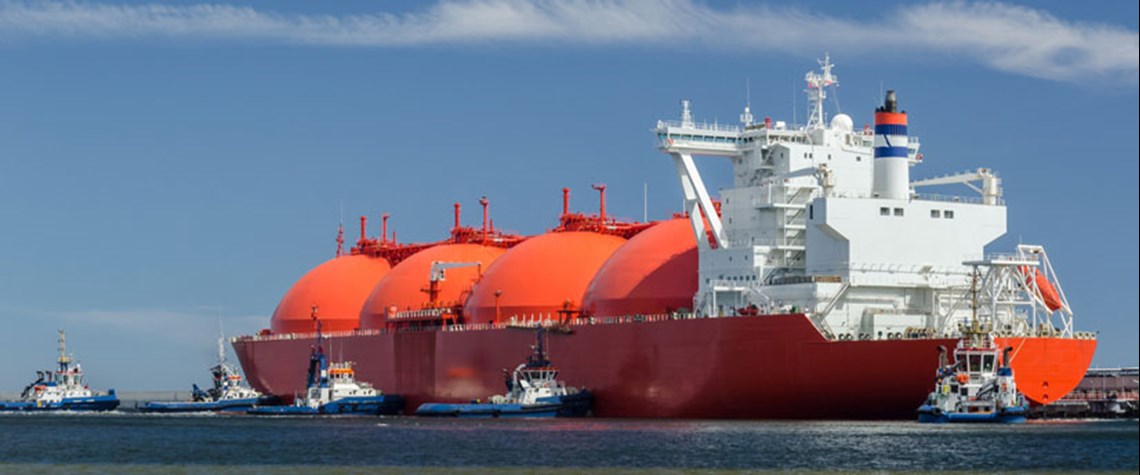
More and more LNG players are looking to decarbonise their operations
US eyes LNG decarbonisation
Offsetting the carbon produced by export cargoes is gaining popularity but still needs better data overview
US LNG players are among those globally talking about—and starting to act on—plans to decarbonise their operations. And more are likely to follow suit as investor pressure mounts on energy companies to demonstrate their environmental credentials. Cheniere Energy, the US’ leading LNG exporter, announced in February that it would begin providing its customers with greenhouse gas (GHG) emissions data associated with each cargo produced, starting from 2022. “The problem is that the US LNG value chain is segmented, so your upstream producer is not directly connected to your LNG supplier” Ackerman, Rapidan Energy Group This was followed by news in May that Cheniere had supplied a carbon-n

Also in this section
26 March 2026
The Iran crisis is exposing the gaping holes in the region’s stockpiles and asking questions of its longer-term energy strategy
26 March 2026
The company plans for phase-one startup in late 2029 as it seeks to maximise value from chemicals project following nine-month hiatus
24 March 2026
It is an unusual story of out with the new and in with the old, as America First Refining shows the US going back to trusted energy security developments
23 March 2026
A complex and sometimes contradictory web of factors that include unpredictable oil prices, the globalisation of LNG markets, the expansion of Middle Eastern sovereign capital and the growth of datacentre demand will shape the energy landscape beyond 2026


