


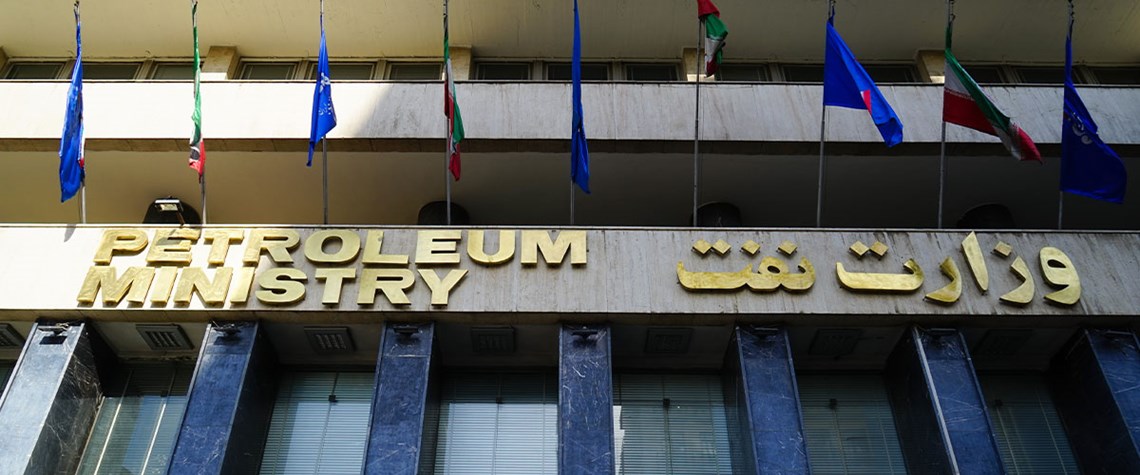
Tehran is prioritising gas, but a near-term increase in overseas sales is unlikely
Iran unlikely to prove a gas saviour
Any hopes that the Mideast Gulf state could increase production and exports to help ease the global shortfall are misplaced
Iranian oil minister Javad Owji announced in late June that the final phase of the two-decade-long development of the giant South Pars offshore gas field would enter production in three months’ time. Buoyed by rocketing prices received for its illicit oil exports, Tehran is doubling down on upstream investment and prioritising gas. But any hopes of fresh material Iranian supply hitting the global gas market will likely be disappointed. Profligate domestic consumption, coupled with technical and financial constraints on output and export growth, render a substantial near-term increase in overseas sales improbable. Iran is the world’s third-largest producer of gas—some 70pc of which comes from

Also in this section
24 March 2026
It is an unusual story of out with the new and in with the old, as America First Refining shows the US going back to trusted energy security developments
23 March 2026
A complex and sometimes contradictory web of factors that include unpredictable oil prices, the globalisation of LNG markets, the expansion of Middle Eastern sovereign capital and the growth of datacentre demand will shape the energy landscape beyond 2026
23 March 2026
The Strait of Hormuz crisis highlights how key waterways can become global chokepoints
20 March 2026
Attacks on key oil and LNG assets across the Gulf mean a prolonged supply disruption, with damage to Qatar’s export capacity undermining confidence in the global gas system


