


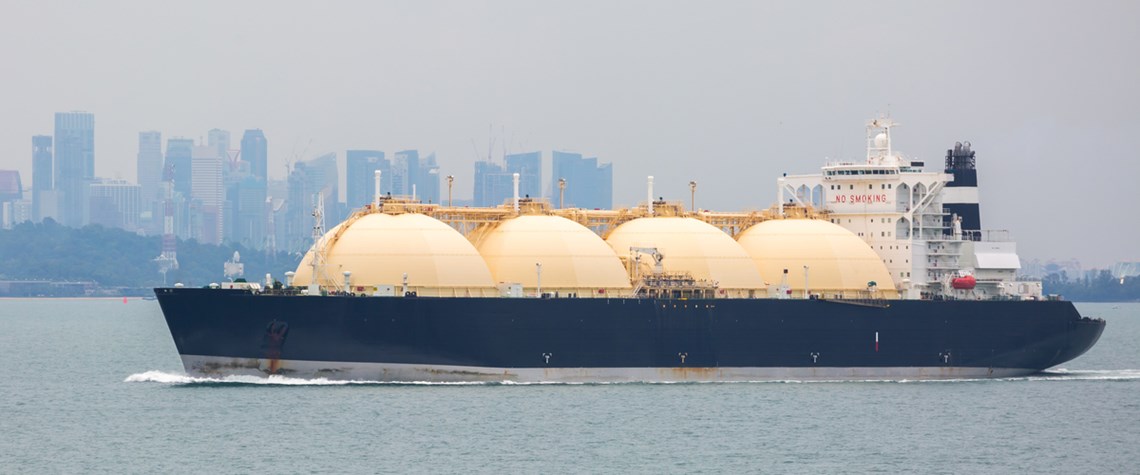
200mn t of new LNG supply could be required by 2040
LNG to help solve global energy supply crunch
Russia’s isolation following its invasion of Ukraine could lead to LNG trade growing faster than previously expected—but only if new supply and infrastructure can be realised in time to avert demand destruction, says Giignl’s Vincent Demoury
The LNG business has been though a tumultuous couple of years. Firstly, it experienced a period of record low prices, partly because of the Covid pandemic, followed by exceptionally high prices—because of an unexpectedly robust post-pandemic economic recovery and constrained supply—and now, with the war in Ukraine, a major turning point for the global energy balance. In May, the Paris-based International Group of LNG importers (Giignl) published its annual state-of-the-industry report, documenting how the business fared in 2021. Petroleum Economist sat down with the association’s general delegate, Vincent Demoury, for his take on what the future holds and how the industry is responding.

Also in this section
2 April 2026
Alongside a rapid continued build-out of renewables, China’s latest five-year plan stresses the value of domestic hydrocarbon production for energy security and calls for increased Russian gas imports
2 April 2026
The government is taking important steps to revive domestic production, lift investment and benefit from the geopolitical crisis even if more needs to be done in the longer term
1 April 2026
Golden Pass’s startup offers QatarEnergy a timely boost but may also force a difficult choice between honouring disrupted contracts and capitalising on soaring spot LNG prices
1 April 2026
It is not a case of if or when, but the length and magnitude of economic damage from elevated oil prices


